
Introduction to Japanese Egg Sandwich Recipe
The allure of tamago sando
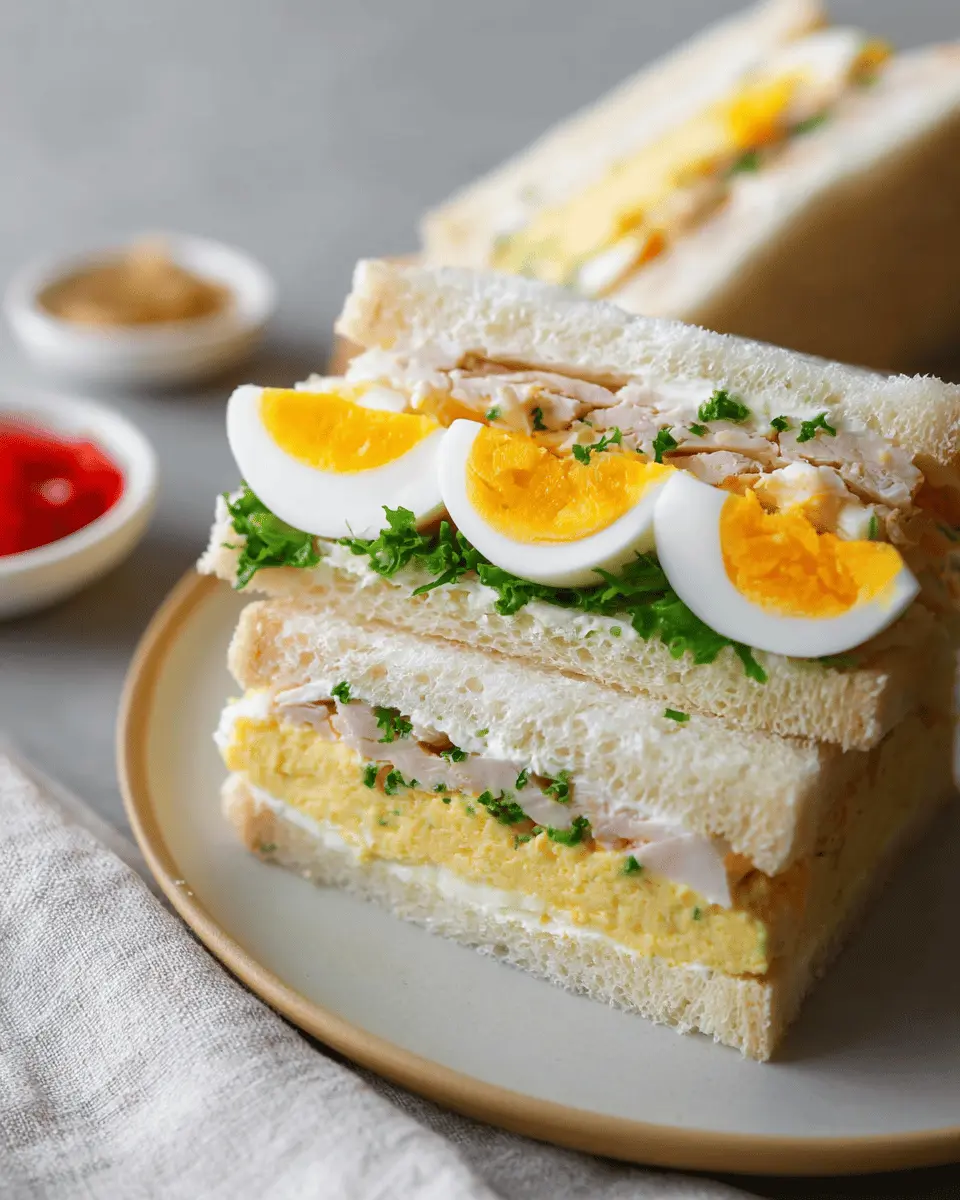
If you’ve ever wandered the aisles of a Japanese convenience store, the sight of a tamago sando—a fluffy Japanese egg sandwich—might have caught your eye. There’s something undeniably enticing about a perfectly crafted sandwich filled with creamy, rich egg salad, nestled between the softest of breads known as shokupan. This simple yet delightful dish effortlessly combines comfort and flavor, making it a favorite among both locals and visitors.
What sets the Japanese Egg Sandwich apart is not just the harmonious balance of ingredients but also its ease of preparation. Whether you’re rushing to work or enjoying a leisurely weekend brunch, this sandwich is incredibly versatile, satisfying your cravings without demanding too much time or effort. With just a handful of ingredients—like hard-boiled eggs, Japanese mayonnaise, and a sprinkle of seasoning—you can create a delightful treat that’s both nutritious and delicious.
Curious about making your own tamago sando at home? Dive into this easy recipe and bring a taste of Japan to your kitchen! For further inspiration, don’t forget to explore more about the secrets behind shokupan and the charm of Japanese convenience store culture.
Ingredients for Japanese Egg Sandwich
Essential ingredients for a perfect tamago sando
In crafting your Japanese Egg Sandwich, or Tamago Sando, you'll want to focus on a few key ingredients that create that signature creamy filling and soft texture. Here’s what you’ll need:
- Eggs: Hard-boiled eggs are the star of the filling, complemented by one medium-boiled egg for a delightful contrast in texture.
- Kewpie Japanese Mayonnaise: This unique mayo brings a rich flavor that elevates the filling. It’s a must-have!
- Shokupan Bread: Look for this soft, pillowy bread—the foundation of your sandwich! It truly makes all the difference.
- Milk: A splash of whole milk adds creaminess to the filling.
- Seasonings: Just a touch of salt, sugar, and black pepper will enhance the flavors beautifully.
Optional ingredients to elevate your sandwich
To truly customize your Japanese Egg Sandwich Recipe, consider adding some optional ingredients that can take your creation to the next level:
- Chives: Finely chopped, they add fresh flavor and a lovely pop of color.
- Unsalted Butter: For spreading on the bread, it increases richness and depth.
- Turkey Bacon or Chicken Ham: Adding a protein layer can enhance the sandwich experience, making it a more filling option.
With these ingredients in hand, you're well on your way to creating a delightful tamago sando that’s sure to impress!
Preparing Your Japanese Egg Sandwich
Making a delicious Japanese egg sandwich (or tamago sando) is simpler than you might think! With a few easy steps, you’ll be enjoying this creamy delight in no time. Here’s how to go about it.
Gather Your Tools and Ingredients
Before diving into the cooking process, the first step is to gather everything you’ll need. Here’s your shopping list:
- Eggs:
- 6 large-sized eggs (room temperature) for hard-boiled
- 1 large-sized egg (optional) for medium-boiled
- Filling:
- 2 teaspoons whole milk
- 4 tablespoons Kewpie Japanese mayonnaise (a key ingredient for authenticity!)
- ½ teaspoon white granulated sugar
- ¾ teaspoon salt (Diamond Crystal preferred)
- ¼ teaspoon black pepper
- Bread:
- 4 slices of soft shokupan with crusts removed
- Extras:
- Unsalted butter (softened)
- 1 tablespoon chives (finely chopped, optional)
You’ll also need some basic kitchen tools: a timer, small pot, fork, and sharp knife.
Boil the Eggs to Perfection
To achieve that ideal egg consistency, start by boiling your eggs. Fill a pot with water and bring it to a rolling boil. Here's a quick method:
- Add all large eggs and boil for exactly 7 minutes and 30 seconds (this ensures a well-cooked medium-boiled egg).
- Transfer one egg to an ice bath for 2 minutes. This will help make it easier to peel later.
- For the remaining eggs, leave them boiling for another 1 minute and 30 seconds (totaling 9 minutes) before placing them in the ice bath for 2 minutes as well.
For further insights on egg boiling times, you can check out resources from Serious Eats.
Make the Creamy Egg Filling
Now that your eggs are boiled, it’s time to create that creamy filling! Start by slicing the hard-boiled eggs in half, and place them in a mixing bowl. Use your fork to mash them until they’re in small pieces.
Next, add in the whole milk, Kewpie mayonnaise, sugar, salt, and black pepper. Mix thoroughly until everything is well incorporated. Pop this filling into the fridge for about 10 minutes. This cooling step helps the mixture thicken and enhances the flavor.
Assemble the Sandwich
When your filling is chilled and ready, it’s time to assemble your sandwich!
- Start by cutting the crusts off your shokupan. Then, generously spread softened butter on one side of each slice.
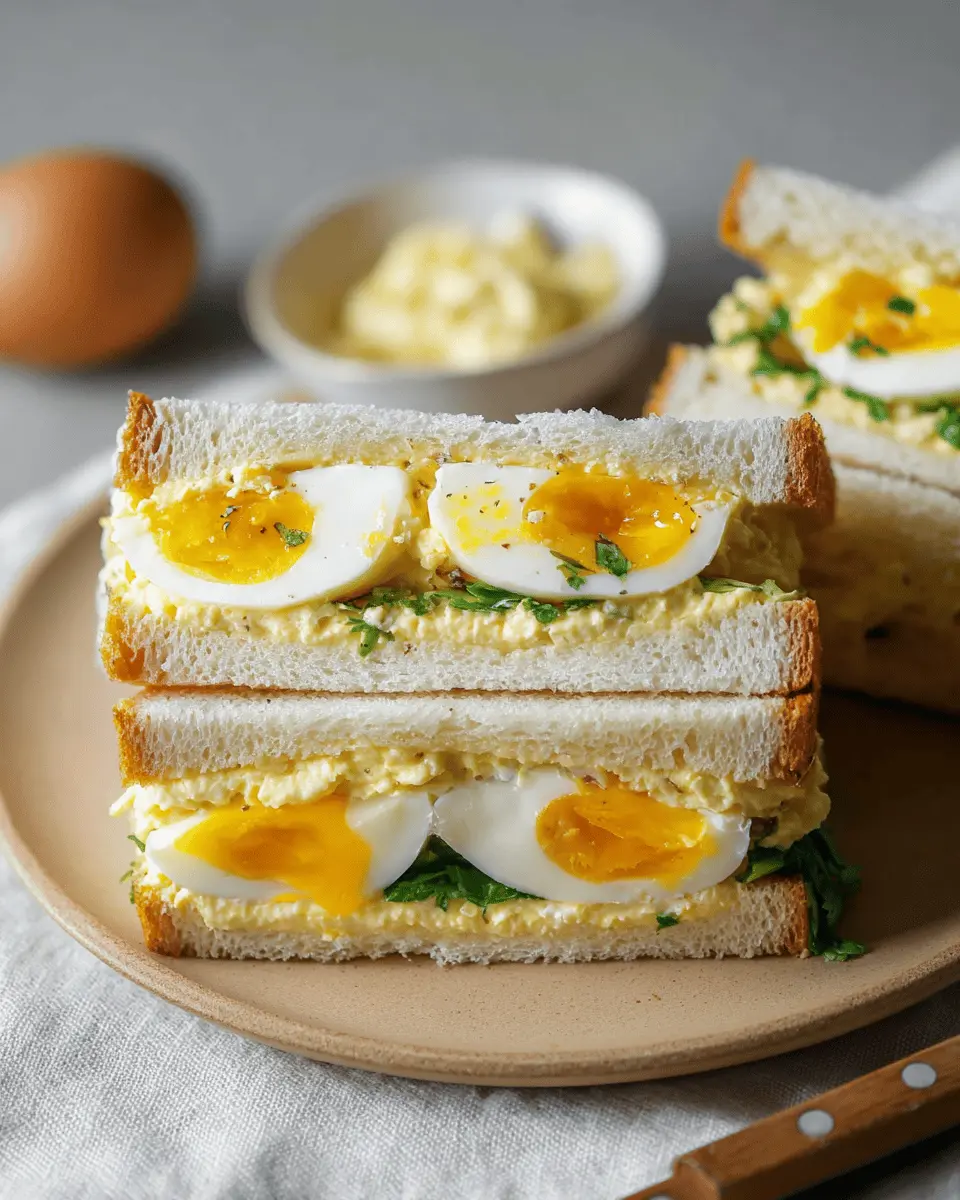
- Take your medium-boiled egg and cut it in half. Place the halves face down on two slices of buttered bread.
- Spread the chilled egg filling all around the medium-boiled egg. Top it off with another slice of bread to complete the sandwich.
Cut and Serve Your Tamago Sando
To make your sandwiches easier to eat, use a sharp knife to cut them in half diagonally or straight. Serve them immediately for a delightful treat!
This Japanese egg sandwich recipe is a perfect way to elevate your snack game. Enjoy the rich flavors and soft textures that make tamago sando a beloved classic!

Variations on Japanese Egg Sandwich
Adding flavors: herbs and spices
Elevate your Japanese Egg Sandwich Recipe by introducing fresh herbs and spices. Consider mixing in finely chopped dill, parsley, or even a hint of wasabi for a spicy kick! A pinch of garlic powder can also add depth, while a splash of lemon juice brightens flavors. Tailor your seasonings to suit your taste buds — experimenting can lead to delightful discoveries!
Alternative fillings for a twist on the classic
If you’re feeling adventurous, why not swap out the traditional egg filling? Try adding turkey bacon or chicken ham for a savory twist. Alternatively, incorporate diced avocado, shredded carrots, or even pickles for a crunchy texture. Gochujang mayo can add a delightful kick, while a sprinkle of cheese brings extra creaminess. The options are endless — let your creativity shine!
Cooking Notes for Japanese Egg Sandwich
Tips for boiling eggs perfectly
To achieve the ideal texture for your eggs in this Japanese Egg Sandwich Recipe, timing is everything. Start with room temperature eggs; this helps to ensure even cooking. For hard-boiled eggs, bring a pot of water to a boil, then gently add the eggs. Keep them boiling for precisely 9 minutes, then transfer to an ice bath to halt the cooking process; this step also makes peeling easier. Don’t forget to try a medium-boiled egg for a luscious, creamy center—it adds wonderful flavor!
Key tips for using shokupan bread
When it comes to the star of any tamago sando, shokupan bread is a must. This fluffy, pillowy bread absorbs the flavor of the filling beautifully. Be sure to use fresh, high-quality shokupan for the best texture; day-old bread can lose its softness. Remove the crusts for a traditional presentation and spread softened butter generously on each slice—the richness complements the egg filling perfectly. Enjoy your sandwich chilled for a delightful contrast between the creamy filling and tender bread!
Serving Suggestions for Japanese Egg Sandwich
Pairing ideas for a delightful meal
To elevate your Japanese Egg Sandwich experience, consider pairing it with fresh, seasonal sides. Crisp pickled vegetables can offer a tangy crunch, while a light miso soup complements the rich flavors of the egg filling beautifully. For a refreshing touch, a simple side salad with greens and a sesame dressing works wonders. Feeling adventurous? Try serving it alongside some turkey bacon for a savory contrast that adds a protein boost to your meal.
Creative lunchbox ideas with tamago sando
The Japanese Egg Sandwich Recipe is perfect for meal prep or lunchboxes. Cut the sandwiches into small, manageable portions for easy eating on-the-go. Pair them with fruit slices, like strawberries or citrus, for a refreshing sweet note. You can also add some chicken ham rolls or a small container of dipping sauce, such as soy sauce or a homemade sesame dressing, for a unique twist. This combination not only looks appealing but is sure to keep your lunch exciting and satisfying throughout the week!
Time Breakdown for Japanese Egg Sandwich
Preparation time
In just 15 minutes, you can whip up the ingredients for this delectable Japanese Egg Sandwich. Give yourself a moment to gather your ingredients and prepare the eggs before diving into the cooking process.
Cooking time
The cooking phase takes around 20 minutes. This includes boiling the eggs to perfection and allowing the filling to chill just right before assembling your sandwiches.
Total time
In 35 minutes, you’ll transform simple ingredients into a delightful tamago sando that’s perfect for a quick lunch or a satisfying snack. You’ll be enjoying your homemade treat before you know it!
For more tips on perfecting this Japanese Egg Sandwich Recipe, check out additional insights on egg preparation here.
Nutritional Information for Japanese Egg Sandwich
Calories per sandwich
Each serving of this delightful Japanese Egg Sandwich packs approximately 580 calories. It's a satisfying option for lunch or a snack, providing energy without compromising flavor.
Key nutritional components
Beyond its deliciousness, this sandwich offers a balance of nutrients:
- Protein: 24.2g – Great for muscle repair and growth.
- Carbohydrates: 27.16g – A good source of energy.
- Fat: 38.42g – The rich mayo and butter contribute healthy fats.
- Vitamins & Minerals: Includes Vitamin A and Calcium, supporting overall health.
Interested in learning more about the nutritional benefits of this Japanese Egg Sandwich Recipe? You can explore resources on nutrition fundamentals from sites like Healthline or Mayo Clinic.
FAQs about Japanese Egg Sandwich
What is shokupan, and where can I find it?
Shokupan is a fluffy, soft Japanese bread with a unique pillowy texture that elevates any sandwich, including our tempting Japanese Egg Sandwich Recipe. You can usually find shokupan at Asian grocery stores, specialty bakeries, or online retailers. If you're in a pinch, a good-quality white sandwich bread can serve as a substitute, although it may lack the delightful softness.
Can I use regular mayonnaise instead of Kewpie?
Absolutely, but there’s a slight twist! Kewpie mayonnaise has a distinctive flavor and creamier texture that really enhances the filling of your tamago sando. If you opt for regular mayonnaise, consider adding a pinch of sugar and a dash of rice vinegar to replicate that unique taste.
How long can I store leftover tamago sando?
For the best experience, enjoy your tamago sando fresh. However, if you have leftovers, place them in an airtight container in the fridge. They’ll keep well for up to 2 days, but the bread may lose some of its freshness. A quick tip: wrap them tightly in plastic wrap to retain moisture!
Conclusion on Japanese Egg Sandwich
Embracing homemade culinary delights with tamago sando
Creating your own Japanese Egg Sandwich (tamago sando) at home not only elevates your snacks but also allows you to experience a bit of Japan's culinary charm. With a rich, buttery filling and soft bread, this recipe is a delightful adventure worth embarking on. Enjoy every creamy bite!

Japanese Egg Sandwich Recipe (Tamago Sando)
Equipment
- timer
- Small pot
- fork
- Sharp knife
Ingredients
Boiling eggs
- 6 large eggs room temperature for hard boiled
- 1 large egg room temperature for medium boiled (optional)
- water
- ice
Filling & assembly
- 2 teaspoon whole milk
- 4 tablespoon Kewpie Japanese Mayonnaise
- ½ teaspoon white granulated sugar
- ¾ teaspoon salt Diamond Crystal brand preferred
- ¼ teaspoon black pepper
- 4 slices shokupan with crusts removed
- unsalted butter softened
- 1 tablespoon chives finely chopped (optional)
Instructions
Boiling eggs
- In a pot of boiling water over medium-high heat, add all eggs and boil for 7 minutes and 30 seconds. Prep a bowl with cold water and ice. Remove one egg and place it in the ice bath for 2 minutes. Remove the egg, peel it carefully, and set it aside.
- At 9 minutes, remove the rest of the eggs from the pot and place them in the ice bath for 2 minutes. Remove the eggs and peel them.
Filling & assembly
- Take your hard-boiled eggs and slice them in half, adding them into a mixing bowl. Use a fork to mash up the eggs into minced pieces.
- Add the milk, kewpie, sugar, salt, and black pepper to the eggs and mix until combined. Place this mixture in the fridge for 10 minutes to chill and thicken.
- Cut the crusts from your shokupan and spread the butter on one side of each bread slice.
- Cut the medium-boiled egg in half and place them face side down on two pieces of bread.
- Remove your filling from the fridge and add the filling on either side of the medium-boiled egg so that it’s surrounding and covering the egg on top. Take another slice and add it on top to complete your sandwich. Repeat with the other sandwich.
- Carefully slice the sandwich in half. Serve immediately.


Leave a Reply