
Introduction to Mango Ice Cream
Why mango ice cream is a must-try dessert for homemade enthusiasts
If you haven't yet embarked on the delightful journey of making mango ice cream at home, you're in for a sweet surprise! This luscious dessert captures the essence of summer in every creamy scoop, making it a fantastic treat for both warm afternoons and cozy gatherings alike.
Using fresh ripe mangoes, you can turn simple ingredients into an indulgent option that’s free from preservatives and artificial flavors. Homemade mango ice cream not only allows you to control the sweetness to your liking but also opens the door to creative twists—think add-ins like toasted coconut or a hint of jalapeño for a spicy kick!
According to the American Mango Association, mangoes are not just delicious; they're also packed with vitamins A and C, providing a nutritious upgrade to your dessert. Making this delightful treat involves just a few easy steps, which means anyone, even novice cooks, can shine in the kitchen.
Imagine impressing friends and family with a scoop of your homemade mango ice cream. Not only are you making memories with loved ones, but you’re also indulging in a taste of tropical heaven right from your home. Ready to dive in and satisfy your sweet tooth?
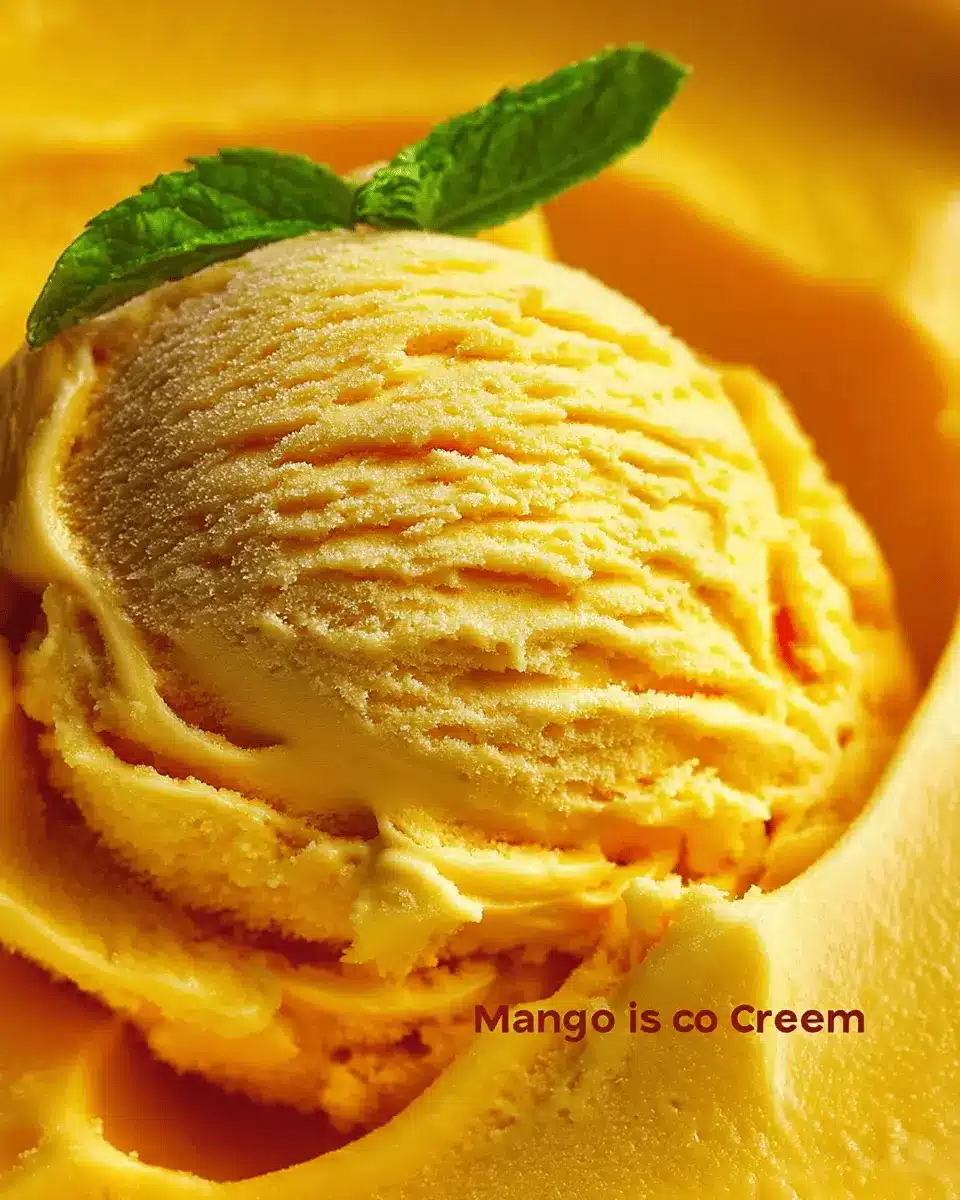
Ingredients for Mango Ice Cream
Essential ingredients for a delicious mango ice cream
To craft your very own mango ice cream, start with these fantastic ingredients:
- 2 cups mango: Fresh, ripe mangoes are ideal for a naturally sweet flavor. You'll need about 3 medium-sized mangoes.
- ¾ cup sugar: This sweetener enhances the natural sweetness of the mango. You can adjust according to your taste preferences.
- ¼ cup lemon juice: The acidity balances the sweetness and brightens the flavor.
- 1 cup heavy cream: This adds creaminess and richness to your dessert.
- ¾ cup whole milk: This helps achieve a smooth texture, complementing the cream.
These basic components create the foundation for a creamy, dreamy treat that’s perfect for warm days or when you want to impress guests.
Exploring alternatives for sugar and dairy
Looking for healthy swaps? No problem! For mango ice cream, consider:
- Sugar alternatives: Coconut sugar or agave syrup can be good substitutes, maintaining sweetness with lower glycemic indices.
- Dairy-free options: If you’re lactose intolerant or vegan, use coconut milk or almond milk instead of heavy cream and whole milk. For an added richness, opt for full-fat coconut milk.
Experimenting with these alternatives ensures that everyone can enjoy your delightful mango ice cream! If you're interested in more healthy alternatives, check out Healthline's guide on natural sweeteners.
Preparing Mango Ice Cream
Creating homemade mango ice cream is a delightful experience that combines the joy of cooking with the sweetness of fresh ingredients. With just a few simple steps, you can create a tropical treat that will impress your friends and family. So, let’s dive into the preparation process!
Gather your mangoes and other ingredients
Before diving into the fun part, make sure you have everything you need. For this mango ice cream recipe, gather:
- 2 cups of ripe mango (about 3 ripe mangoes, peeled and cubed)
- ¾ cup of sugar (divided)
- ¼ cup of fresh lemon juice
- 1 cup of heavy (whipping) cream
- ¾ cup of whole milk
Fresh mango is key to a vibrant flavor, so visit your local farmer's market or grocery store to pick the best ones! If you want tips on selecting ripe mangoes, check out this guide from The Spruce Eats.
Blend and create the mango purée
Once you have your mangoes, it’s time to transform them into a luscious purée. In your blender, combine 2 cups of the peeled and cubed mangoes with ¼ cup of sugar and ¼ cup of lemon juice. Blend until smooth—this will give your mango ice cream that rich, fruity flavor. The lemon juice not only adds a touch of brightness but also enhances the mango's sweetness.
Mix and chill the cream and milk
In a separate bowl, combine 1 cup of heavy cream, ¾ cup of whole milk, and the remaining ½ cup of sugar. Stir gently to dissolve the sugar completely. This cream mixture forms the base of your mango ice cream! After mixing, cover the bowl and chill it in your refrigerator for at least 4 hours. The cold temperature helps the flavors meld beautifully.
Combine the purée and cream mixture
After your cream mixture has chilled, it’s time for the fun part! Gently fold the smooth mango purée into the chilled cream mixture. Stir until well combined, ensuring that the vibrant mango flavor is evenly distributed throughout the cream. Once mixed, return the mixture to the refrigerator for an additional hour.
Churn, freeze, and enjoy the process
Now, you’re ready to churn! Set up your ice cream maker according to the manufacturer’s instructions. Pour the mango mixture into the running bowl of your ice cream maker, and churn according to the directions. This typically takes about 25-30 minutes.
If you prefer a firmer consistency, transfer the churned mango ice cream to an airtight container and let it freeze for an additional 4 hours. Once it achieves the perfect texture, scoop and enjoy your homemade creation!
Making mango ice cream not only gives you a delicious treat but also offers a fantastic way to spend an afternoon—so don’t rush the process! Enjoy each step, and savor the incredible results.
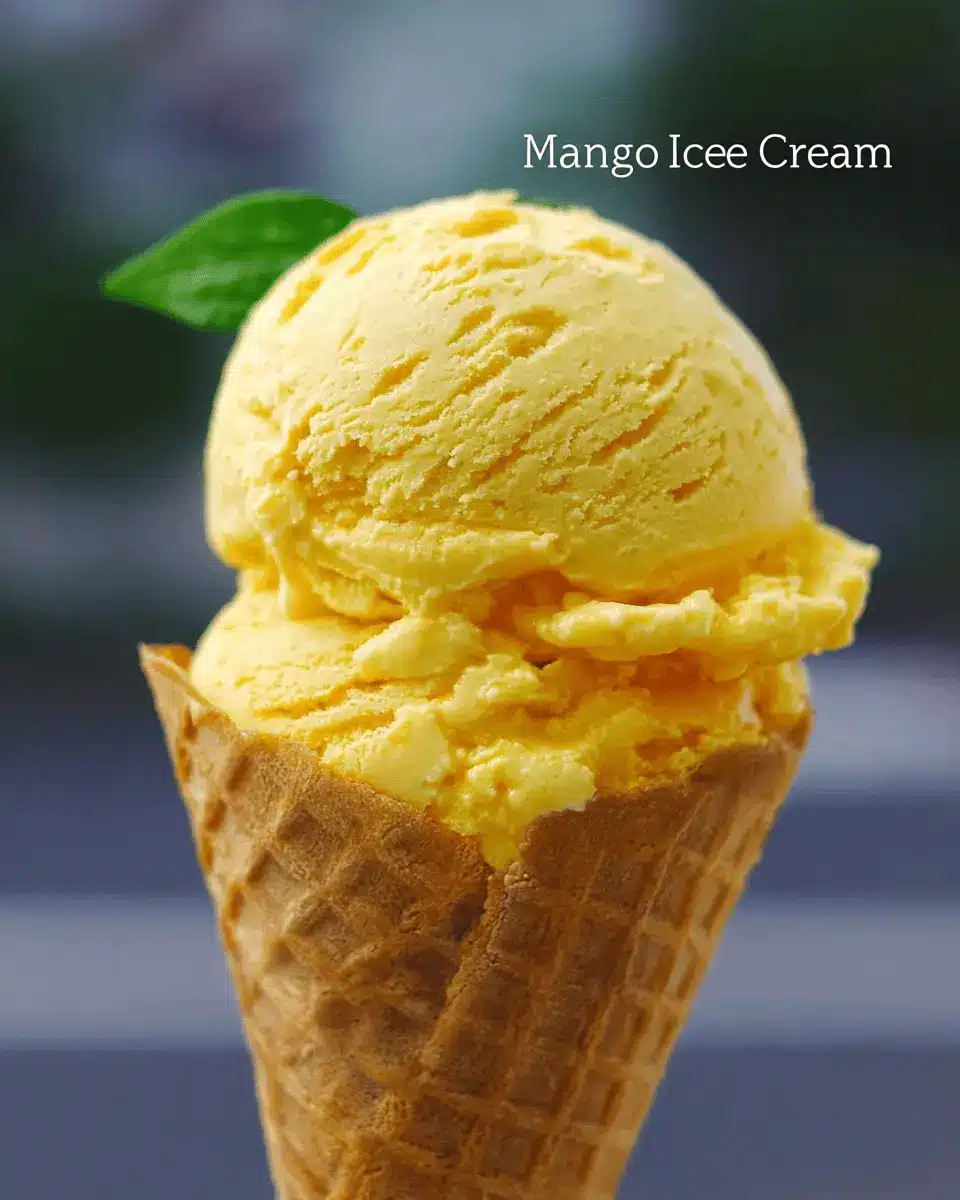
Variations on Mango Ice Cream
Tropical Twist: Add Coconut or Pineapple
Elevate your mango ice cream by introducing other tropical flavors! Consider folding in some shredded coconut or fresh pineapple chunks to your mixture just before churning. This delightful combination will transport you to a sun-drenched beach with every spoonful. For an extra layer of flavor, try drizzling some coconut cream on top before serving!
Dairy-Free Option: Using Almond or Coconut Milk
If you prefer a dairy-free version of mango ice cream, substitute the heavy cream and whole milk with almond or coconut milk. This switch not only caters to those with dietary restrictions but enhances the fruity flavor with nutty or creamy undertones. Just ensure to balance the sweetness, as these alternatives can be less rich. When it comes to ice cream, there's no limit to creativity—what will you try next?
For more dessert ideas, check out the benefits of coconut milk and creative dairy alternatives.
Tips and Notes for Mango Ice Cream
Best practices for selecting ripe mangoes
When choosing mangoes for your mango ice cream, look for firm yet slightly soft fruits. They should yield to gentle pressure and emit a sweet aroma at the stem end. Popular varieties like Haden, Kent, or Ataulfo offer the best flavor and texture. Keep in mind that a perfectly ripe mango is the key to an outstanding ice cream—check out resources like this guide for more tips!
Importance of chilling and freezing time
Allowing your ice cream mixture to chill for at least four hours in the fridge is essential for achieving a creamy texture. Patience is key—freezing for an additional four hours once churned ensures rich, scoopable mango ice cream. Skipping these steps may result in a grainy consistency, so take the time to get it right!
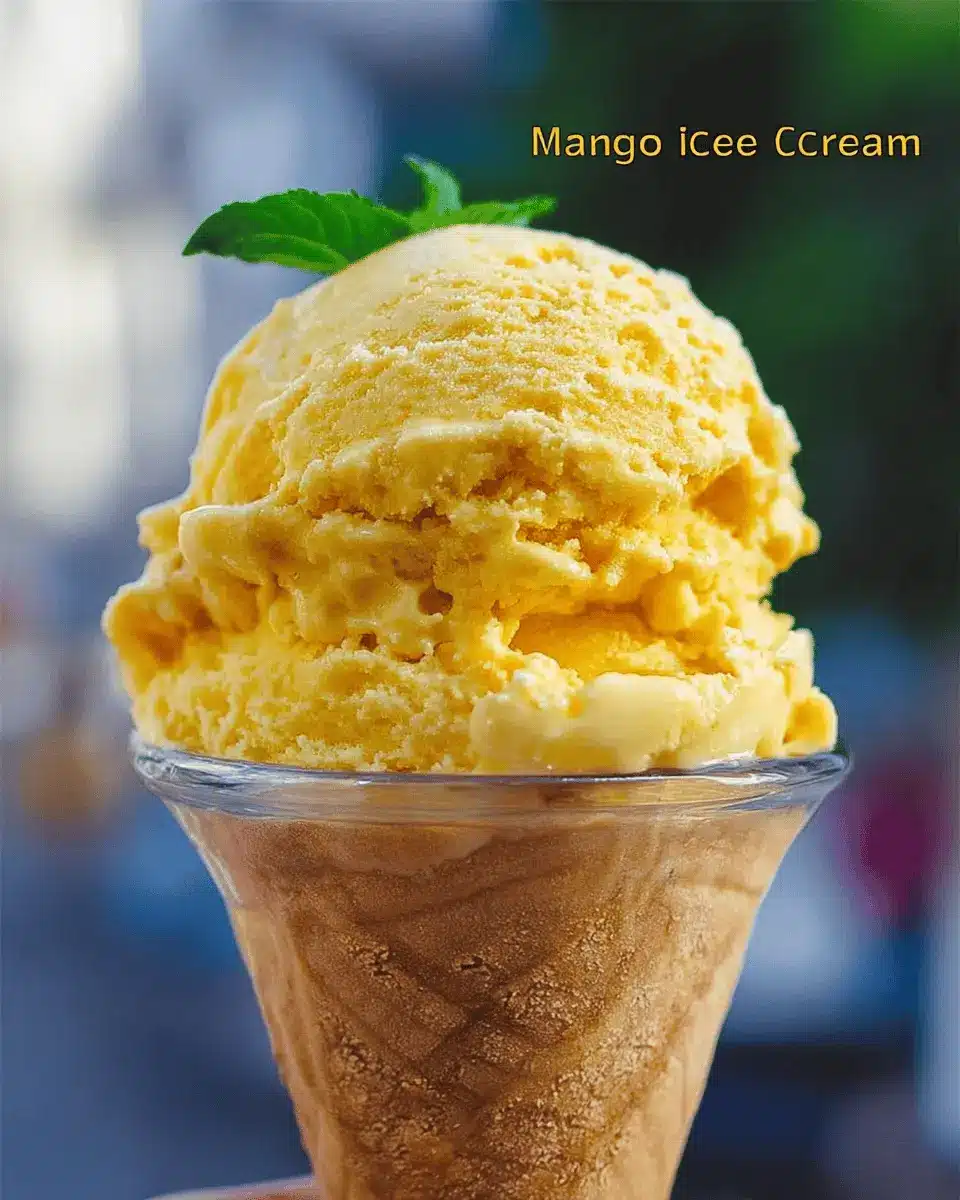
Serving Suggestions for Mango Ice Cream
Garnish Ideas to Elevate Your Dessert Experience
Transform your mango ice cream into a show-stopping dessert with simple garnishes. Consider drizzling honey or coconut cream for added richness. Finely chopped mint adds a refreshing touch, while crushed pistachios or toasted coconut create delightful crunch. You can even toss in fresh mango slices for that extra pop of color and flavor.
Creative Ways to Serve and Pair with Other Dishes
Why not pair your mango ice cream with other delightful treats? Serve it alongside warm brownies or a slice of citrus-infused pound cake for a fabulous contrast of temperatures. Alternatively, blend a scoop into a smoothie for a tropical treat, or use it to top off a refreshing fruit salad. You’ll have everyone asking for your secret! For more inspiration on serving ice cream, check out this helpful guide from Food Network.
Time Breakdown for Mango Ice Cream
Preparation Time
Getting started with your delicious mango ice cream takes just about 20 minutes. This includes peeling and cubing your fresh mangoes, blending them with sugar and lemon juice, and mixing everything together.
Churning and Freezing Time
After chilling the mixture for at least 4 hours, churn it for 25-30 minutes in your ice cream maker. For a firmer consistency, allow the churned ice cream to freeze for an additional 4 hours.
Total Time
All in all, you’re looking at a total of about 8 hours and 30 minutes to truly enjoy your mango ice cream, including chilling and freezing. Luckily, most of this time is hands-off, leaving you free to enjoy other things!
For more tips on making ice cream, check out Serious Eats for a comprehensive guide!
Nutritional Facts for Mango Ice Cream
Calories and macronutrients
Indulging in mango ice cream provides a delightful balance—287 calories per serving, with 16g of fat (10g saturated). You'll also find 37g of carbohydrates, including 34g of sugar, and a modest 2g of protein.
Health benefits of mango
Mango packs more than just sweet flavor! It's rich in vitamins, especially A and C, promoting healthy vision and immune function. Plus, it contains antioxidants, such as quercetin and beta-carotene, known for their anti-inflammatory properties. Incorporating this creamy treat can make dessert healthier while satisfying cravings.
For further reading on the nutritional benefits of mango, check out Healthline.
FAQs about Mango Ice Cream
How can I adjust the sweetness of my mango ice cream?
Want a sweeter treat? Simply increase the amount of sugar in the recipe, tasting your mango mixture before churning to ensure it meets your preference. Alternatively, if you’re watching your sugar intake, you can reduce it or use natural sweeteners like honey or agave syrup for a healthier option.
Can I make mango ice cream without an ice cream maker?
Absolutely! If you don't have an ice cream maker, pour the mango cream mixture into a shallow dish and put it in the freezer. Every 30 minutes, stir it well with a fork to break up any ice crystals until it reaches your desired texture – this usually takes about 3-4 hours.
What’s the best way to store homemade mango ice cream?
For optimal freshness, transfer your mango ice cream to an airtight container before storing it in the freezer. It can last for up to two weeks, but make sure to give it a quick stir before serving again, as it may harden. Enjoy your creamy delight!
Conclusion on Mango Ice Cream
The joys of homemade mango ice cream and your next steps
Making mango ice cream at home is not just a cooking task; it's a delightful experience that brings freshness and joy to your kitchen. Enjoy exploring variations, inviting friends over for taste tests, or savoring a scoop solo. Try it out and embrace your new favorite treat today!
Mango Ice Cream
Equipment
- Ice cream maker
- Blender
- mixing bowl
- Airtight container
Ingredients
Fruits
- 2 cups mango peeled and cubed; from about 3 mangoes
Sugars
- 0.75 cups sugar divided
- 0.25 cups sugar
Liquids
- 0.25 cups lemon juice
- 1 cups heavy (whipping) cream
- 0.75 cups whole milk
Instructions
Preparation Steps
- Please note that this recipe requires 8.5+ hours of chilling, churning, and freezing time.
- Freeze the ice cream freezer bowl for 24 hours prior to making the ice cream. Wrap it in a plastic bag so the bowl stays clean.
- To a blender, add 2 cups mango, ¼ cup sugar, and ¼ cup lemon juice. Purée until smooth. Set aside.
- In a large bowl, combine 1 cup heavy (whipping) cream, ¾ cup whole milk, and the remaining ½ cup sugar, stirring to dissolve the sugar.
- Add the puréed mango to the cream mixture and gently stir to mix.
- Cover and chill the mixture in the refrigerator for at least 4 hours.
- Set up the ice cream maker with the freezer bowl and press On. When the freezer bowl begins to turn, pour the mango ice cream mixture through the ingredient spout. Churn for about 25–30 minutes or follow the manufacturer‘s instructions.
- If you desire a firmer consistency, transfer the ice cream to an airtight container and store it in the freezer for 4 hours before serving.




Leave a Reply