
Introduction to Winter Vegetable Salad
When the temperatures drop and the days get shorter, winter vegetables come into season, bringing a bounty of flavor and nutrition that is perfect for a refreshing salad. These hearty veggies, like cauliflower and broccoli, are not just good for your health; they add vibrant color and crunch to any dish. A winter vegetable salad offers a crisp, delightful way to enjoy these seasonal ingredients, keeping your meals exciting amid the chilly months.
Why choose winter vegetables for your salads? Well, they're packed with essential nutrients like vitamins A, C, and K, which are vital for immune function and skin health during the colder months. In fact, broccoli is one of the top sources of vitamin C, which can help stave off those seasonal sniffles. Plus, winter vegetables tend to have a firmer texture than their summer counterparts, making them perfect candidates for a salad that maintains its crunch—there's nothing worse than a soggy salad!
As an added bonus, winter vegetables are versatile and create a beautiful visual presentation. If you're looking for inspiration, check out this resource on seasonal produce that highlights the best winter vegetables to incorporate into salads. You'll be pleased to learn how these flavors meld perfectly when tossed together—a delightful experience you won’t want to miss!
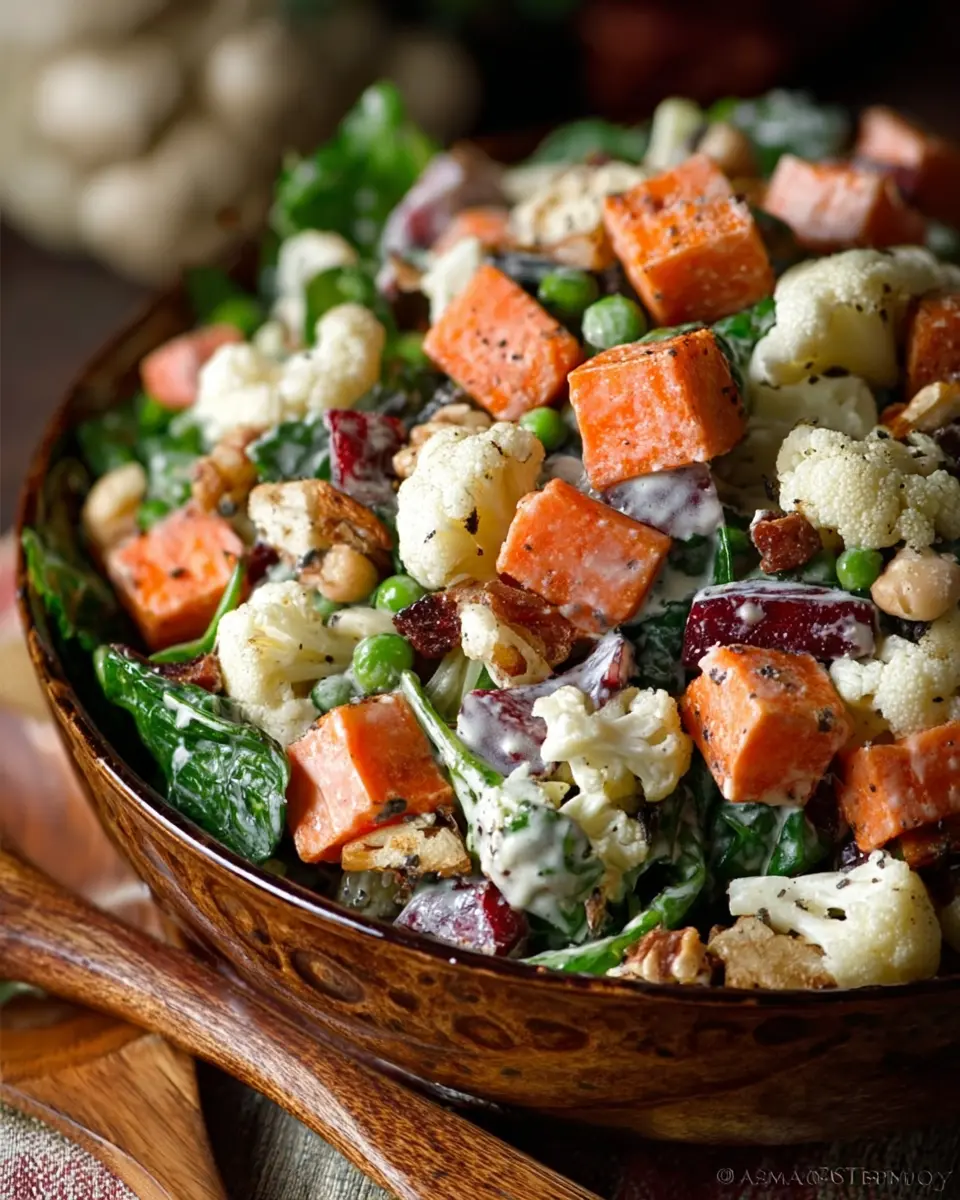
Ingredients for Winter Vegetable Salad
Essential ingredients
To create a delicious winter vegetable salad, you’ll want to gather these fresh, vibrant ingredients:
- 1 pound cauliflower florets: Adds a hearty crunch.
- 1 pound broccoli florets: Provides a boost of nutrients and texture.
- ½ pound carrots cut into strips: Sweetness and color come from these crunchy veggies.
- 1 cup frozen green peas: For a pop of flavor and freshness.
- ¼ cup chopped fresh Italian flat-leaf parsley: Enhances the dish with a fresh, herbal note.
For the creamy dressing, you will need:
- ⅓ cup mayonnaise
- ⅓ cup sour cream
- ¼ cup Dijon mustard
- 1 tablespoon whole grain mustard
- ½ tablespoon agave nectar or honey
- A dash of Sriracha for heat, plus various herbs and spices.
Optional add-ins for customization
Feel free to get creative with your winter vegetable salad! Consider these optional add-ins:
- Roasted nuts: Such as almonds or walnuts for crunch.
- Feta cheese: Crumbled for a tangy finish.
- Turkey bacon or chicken ham: For a savory protein kick.
- Chickpeas: As a hearty, plant-based protein option.
- Chopped apples or dried cranberries: For a touch of sweetness.
These additions can transform your salad into a personalized masterpiece!
Step-by-step preparation of Winter Vegetable Salad
Creating a winter vegetable salad can be a delightful way to enjoy colorful and nutritious veggies during the colder months. With a bit of preparation, you can whip up a dish that's both visually appealing and delicious. Let's dive into the step-by-step process!
Prepare the ingredients
Start by gathering all your ingredients to ensure a smooth cooking experience. You will need 1 pound of cauliflower florets, 1 pound of broccoli florets, ½ pound of carrots cut into two-inch strips, and 1 cup of frozen green peas. For the dressing, gather ⅓ cup of mayonnaise, ⅓ cup of sour cream, ¼ cup of Dijon mustard, whole grain mustard, agave nectar or honey, and a few spices like dry tarragon and celery seed. Make sure to wash your veggies thoroughly!
Boil and ice the vegetables
In a large pot, fill it two-thirds full with generously salted water and bring it to a rolling boil. Meanwhile, prepare an ice bath by combining ice and cold water in a big bowl. Using a spider strainer, start with the cauliflower; plunge it into the boiling water, cover, and cook for about two minutes. Remove the cauliflower and drop it in the ice bath immediately to halt the cooking process. Repeat this boiling and shocking process with the broccoli for one minute, carrots for one to two minutes, and the peas, which should only need a quick dip—removing them right after. This method ensures that each vegetable retains its crispiness.
Mix the dressing ingredients
While your veggies are cooling, it’s time to focus on that luscious dressing. In a medium bowl, whisk together the mayonnaise, sour cream, Dijon mustard, whole grain mustard, agave nectar or honey, and spices like dry tarragon and celery seed. Don’t forget a few drops of Sriracha for a hint of spice! The goal is to create a smooth blend that's bursting with flavor.
Combine everything in a large bowl
Once your veggies have cooled and drained, transfer them into a large mixing bowl. Pour that creamy dressing over the vegetables and gently toss everything together. The aim is to coat each vegetable evenly without squashing them. This is where the magic happens; those flavors meld wonderfully.
Chill or serve immediately
Though this dish can be enjoyed right away, letting it chill in the refrigerator for a bit enhances the flavor profile even more. If you opt to chill it, just cover the bowl and let it sit for a couple of hours, or ideally overnight. However, serving it right away still delivers a satisfying crunch and delightful taste that’ll impress everyone at your table!
Now that you're armed with this step-by-step guide, you're ready to create a winter vegetable salad that's sure to brighten up your winter evenings—even on those chilly nights! Happy cooking!
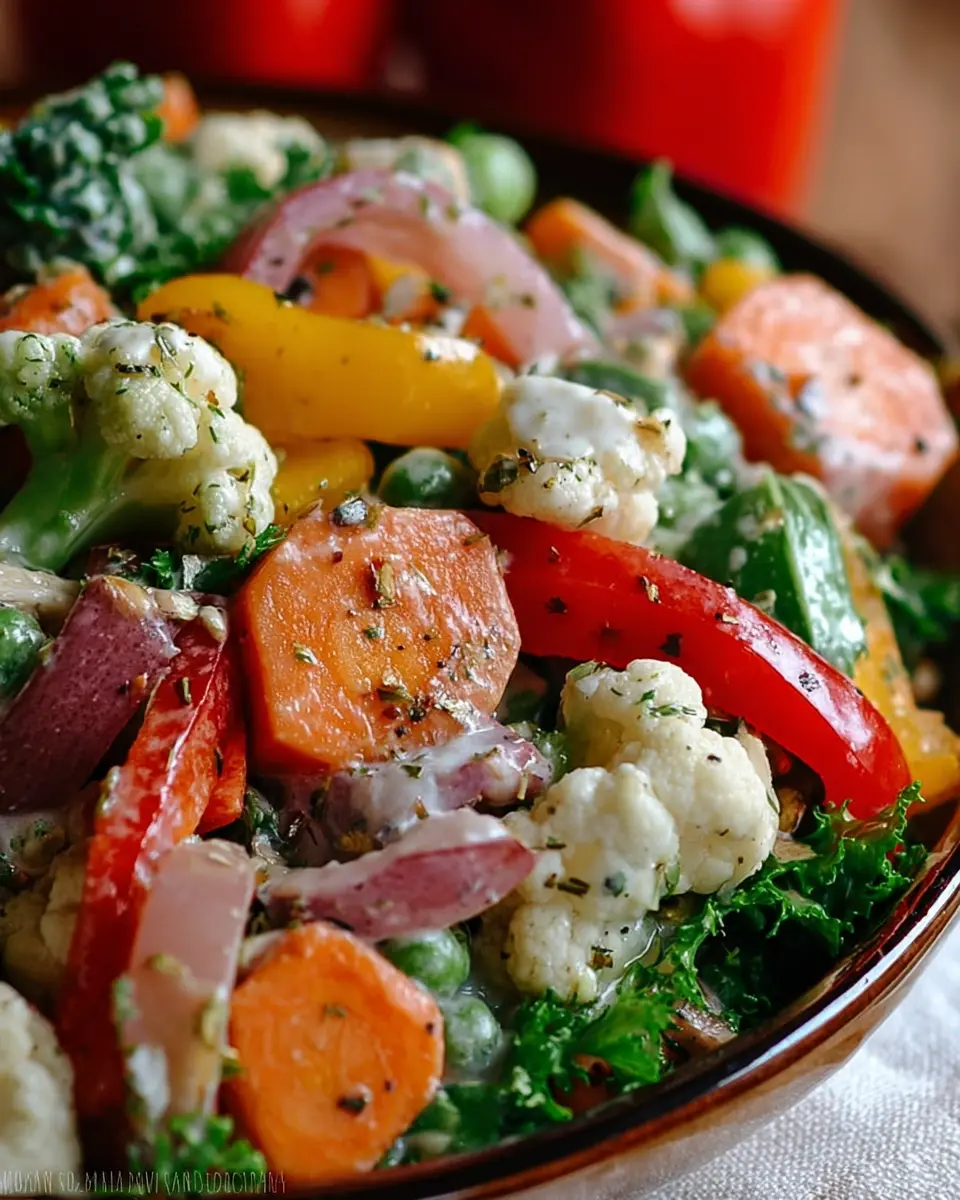
Variations on Winter Vegetable Salad
Roasted Winter Vegetable Salad
Switching things up with a roasted winter vegetable salad can elevate your dish to new heights. Toss your cauliflower, broccoli, and carrots in a splash of olive oil, salt, and pepper, then roast them at 425°F for about 15 minutes. This not only deepens their flavor but also gives them a delightful crisp. Once roasted, let them cool and mix with your dressing for a warm, comforting take on the classic salad.
Nutty Addition with Almonds or Walnuts
For a satisfying crunch, consider adding some toasted almonds or walnuts to your winter vegetable salad. Not only do they enhance the texture, but they also provide healthy fats and protein, making the salad even more nutritious. Simply toast the nuts in a dry skillet for a few minutes until fragrant, then sprinkle them over your salad just before serving. This will add a fantastic layer of flavor that complements the freshness of your vegetables beautifully.
Looking for more inspiration? Check out The Kitchn for additional variations and serving ideas!
Cooking tips and notes for Winter Vegetable Salad
Achieving the perfect texture
To ensure your winter vegetable salad maintains that delightful crispiness, it's crucial not to overcook the veggies. Follow the recommended boiling times: cauliflower for two minutes, broccoli for one minute, and carrots for one to two minutes depending on their size. After cooking, promptly transfer them to an ice bath to halt the cooking process and lock in that fresh crunch. Remember, no soggy salad here!
Making it ahead of time
If you’re prepping for a gathering or a busy week, this winter vegetable salad is a great candidate for make-ahead meals. You can prepare the veggies the day before and store them in the fridge. Just mix in the dressing before serving to keep everything vibrant and flavorful. Plus, the flavors meld beautifully overnight, giving it that delightful homemade touch.
For more prep tips or to learn about the benefits of using seasonal vegetables, check out resources from the USDA and Sustainable Table.
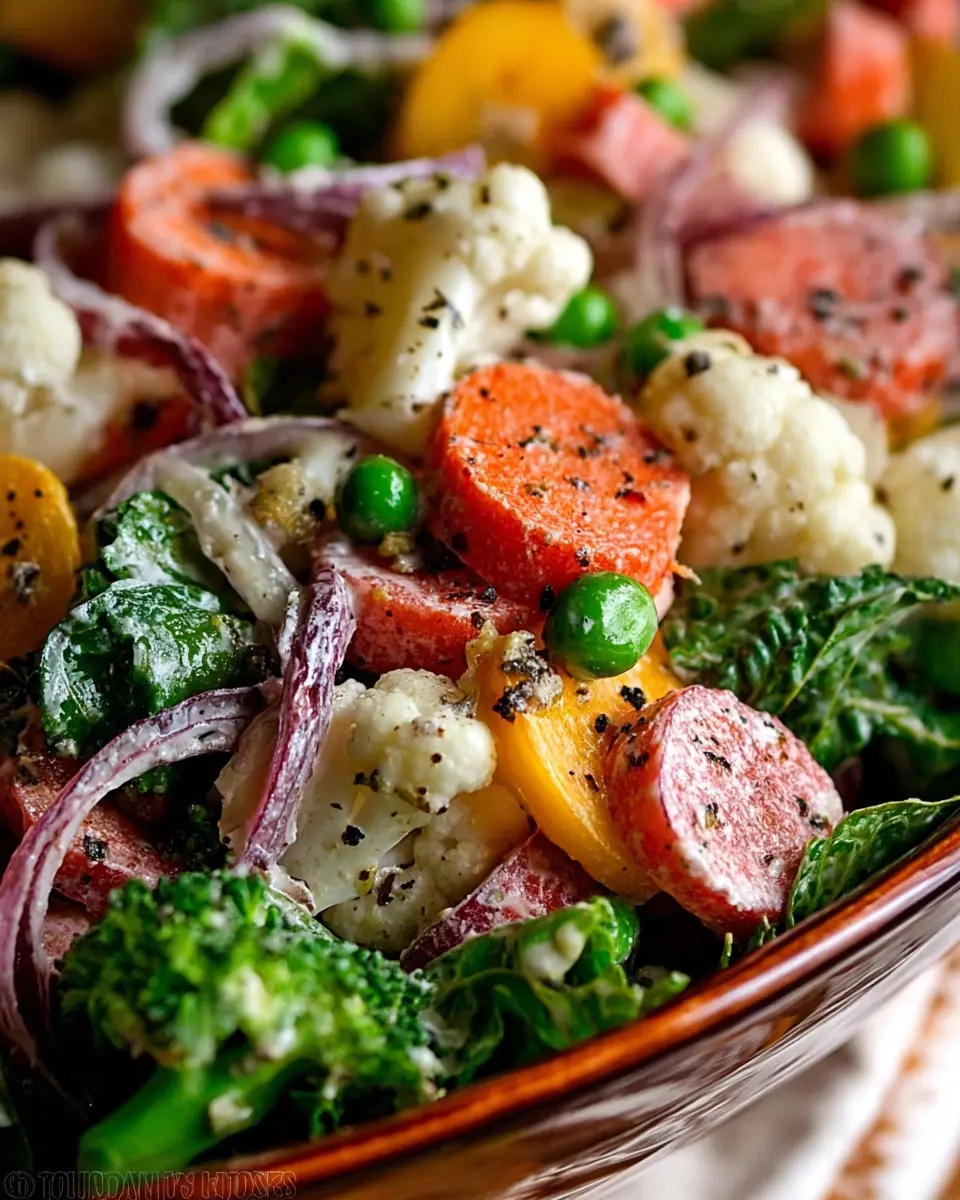
Serving Suggestions for Winter Vegetable Salad
Ideal Pairings with Main Dishes
This winter vegetable salad is both vibrant and hearty, making it a versatile side that complements a range of main dishes. Consider serving it alongside:
- Grilled Chicken or Turkey: The bold flavors of the tangy dressing harmonize beautifully with lean proteins.
- Beef Tacos or Enchiladas: The crunch of the salad balances the richness of beef.
- Vegetarian Quiche: Pair it with a savory quiche for a delightful brunch or dinner.
Creative Ways to Serve
Looking to elevate the presentation of your winter vegetable salad? Here are a few fun ideas:
- In a Mason Jar: Layer your salad for a stunning visual effect, perfect for meal prep or picnics.
- As a Wrap Filling: Use large lettuce leaves to wrap the salad for a unique, handheld delight.
- On a Bed of Quinoa: This adds an extra protein boost and creates a filling meal.
By implementing these pairings and serving ideas, your winter vegetable salad will shine at every gathering! For more inspiration, check out this guide on salad pairings.
Time Breakdown for Winter Vegetable Salad
Preparation Time
Preparing this winter vegetable salad takes just 15 minutes. Gather your fresh ingredients, and it’ll be a breeze. Chopping vegetables like crunchy broccoli and vibrant carrots can be a fun activity. Just put on some music and enjoy the process!
Cooking Time
The cooking portion is minimal at 5 minutes. You want to cook each veggie just enough to keep that delightful crunch—remember, you want texture, not mush! It’s quick and allows you to focus on bringing out those beautiful colors in your salad.
Total Time
In only 20 minutes total, you can whip up a refreshing winter vegetable salad that’s not just a feast for the eyes but also a nutritious option for lunch or dinner. Ideal for busy schedules yet impressive enough for gatherings!
For a cozy recipe to delight your senses, check out this guide on seasonal veggies that can inspire your cooking all winter long!
Nutritional Facts for Winter Vegetable Salad
Calories
This winter vegetable salad is a nutritious addition to your meals, with approximately 150 calories per serving. That makes it a guilt-free option for lunch or dinner, ensuring you stay on track with your health goals.
Vitamins and Minerals
Packed with essential vitamins and minerals, this salad is a powerhouse of nutrition. Each serving offers a rich source of Vitamin C, which is vital for your immune system, and adequate amounts of Vitamin K for healthy bones. Additionally, you'll benefit from key minerals such as potassium and magnesium. For more about the benefits of these nutrients, check out Healthline's article.
Fiber Content
Fiber lovers will rejoice with this salad, featuring about 5 grams of fiber per serving. High-fiber foods like these vegetables are great for digestion and can help you feel fuller for longer. Incorporating more fiber into your diet can improve gut health and reduce the risk of chronic diseases. Learn more about the importance of fiber from medical sources here.
Crafting your own winter vegetable salad not only keeps your meals diverse but also boosts your nutritional intake effortlessly!
FAQs about Winter Vegetable Salad
Can I use fresh vegetables instead of frozen?
Absolutely! While this winter vegetable salad recipe calls for frozen peas for convenience, you can use fresh vegetables instead. Just make sure to blanch them quickly to maintain that crispy texture we all love. Fresh peas, asparagus, or even green beans can be great alternatives, adding a vibrant crunch to your salad.
How long does the salad last in the fridge?
Your winter vegetable salad can stay fresh in the fridge for about 3 to 4 days, making it a perfect make-ahead dish. Just be mindful that the veggies might lose a bit of their crispness over time, so if you want that fresh crunch, consider enjoying it within the first couple of days.
What can I substitute for mayonnaise?
If you’re looking to lighten up the dish or avoid mayo, there are several tasty alternatives! Greek yogurt can provide a creamy texture with added protein, or you can use an avocado-based dressing for a healthier twist. For a vegan option, consider using tahini mixed with a bit of lemon juice or nut-based dressings, which will keep your winter vegetable salad delectable.
If you have additional questions or tips, feel free to share in the comments below!
Conclusion on Winter Vegetable Salad
In summary, this winter vegetable salad is a vibrant and nutritious dish perfect for the colder months. Its crunchy textures and zesty flavors will brighten any meal. Whether you serve it fresh or let it sit overnight to enhance the flavors, it’s a dish you're sure to enjoy and share with friends!
Winter Vegetable Salad
Equipment
- large pot
- ice bath
- colander
- mixing bowl
- spider strainer
Ingredients
- 1 pound cauliflower florets about half of one large head
- 1 pound broccoli florets
- 0.5 pound carrots cut into two inch strips about ½ inch thick
- 1 cup frozen green peas
- 0.25 cup chopped fresh Italian flat leaf parsley
- 0.33 cup mayonnaise
- 0.33 cup sour cream
- 0.25 cup Dijon mustard
- 1 tablespoon whole grain mustard
- 0.5 tablespoon agave nectar or honey
- Sriracha a few drops
- 2 teaspoons dry tarragon
- 1 teaspoon celery seed
- 0.25 teaspoon freshly ground black pepper
Instructions
- Fill a large pot ⅔rd full with generously salted water and bring to a boil.
- Prepare an ice bath in a large bowl with ice and water and a colander in your sink or over a large bowl.
- Once the water is boiling, plunge the cauliflower in, cover and when it returns to a boil, time for two minutes. Remove the cauliflower to an ice bath using a spider strainer.
- Leave the flame on high and bring the water back to a boil. Plunge the broccoli in, cover and time one minute after the water returns to a boil. While the broccoli is cooking, remove cauliflower from the ice bath into a strainer.
- Then place broccoli into same ice bath (add more ice if needed to keep the water extremely cold). Bring the water back to a boil and plunge carrots in. Cover and time one to two minutes depending on how thick you cut your carrots.
- While carrots are cooking, remove broccoli from ice bath to strainer with cauliflower. When carrots are done, remove to the ice bath. Drop in frozen peas and remove immediately to the ice bath. Strain the carrots and peas and pour into colander to drain with the other two vegetables.
- Remove water from the heat and discard.
- Let the four vegetables drain very well. To further dry, roll the broccoli and cauliflower in paper towels to remove any last moisture trapped. Transfer vegetables to a large mixing bowl.
- In a medium bowl, mix the remaining ingredients and add to the large bowl with the vegetables. Gently mix to combine.
- The flavors of this dish improve if stored overnight however it can be served right after preparing.

Leave a Reply