
Introduction to Japanese Milk Bread Loaf
Why Japanese Milk Bread is a Game-Changer for Home Cooks
If you're on the hunt for a bread recipe that elevates your culinary game, look no further than the Japanese Milk Bread Loaf. This delightful bread is renowned for its incredible softness and lightly sweet flavor, making it a perfect base for everything from sandwiches to fluffy toast. The secret lies in a technique called Tangzhong, which involves cooking a portion of the flour and water (or milk) to create a fluffy, moist texture that simply can't be achieved with conventional methods.
Home cooks often rave about the silky-smooth crumb and the rich, milky taste that sets this loaf apart from traditional bread recipes. In fact, a well-made Japanese Milk Bread can stay fresh for days, making it an excellent choice for meal prep or family gatherings.
Not only is this loaf a crowd-pleaser, but it's also surprisingly simple to make. With a bit of patience and the right ingredients, you’ll undoubtedly impress friends and family with your baking skills. Whether you're a beginner in the kitchen or a seasoned pro, tackling the Japanese Milk Bread Loaf is sure to add a new favorite to your repertoire.
For more details on the essential ingredients and step-by-step instructions to create this masterpiece, check out the full recipe below!
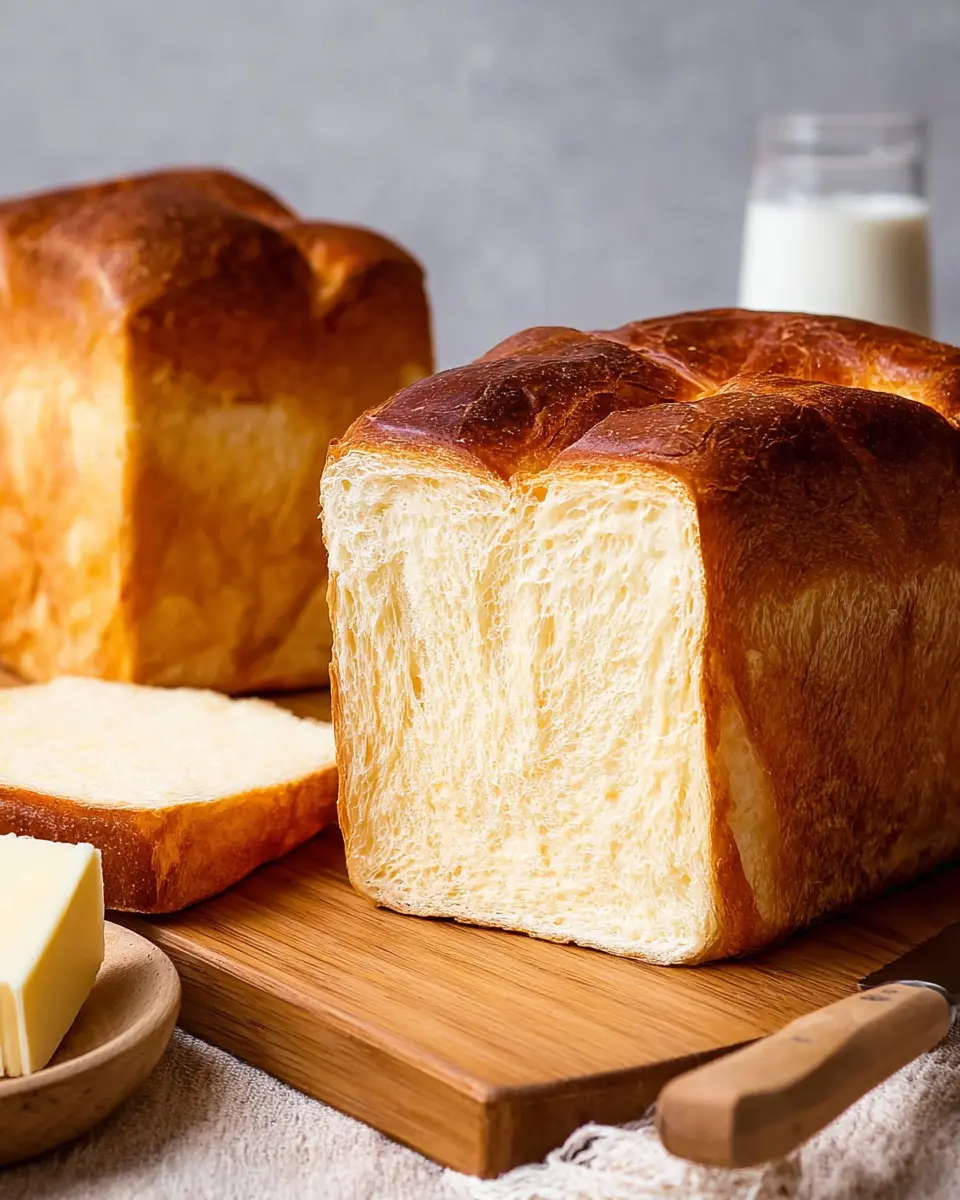
Ingredients for Japanese Milk Bread Loaf
When it comes to creating the perfect Japanese Milk Bread Loaf, selecting the right ingredients is crucial. Here’s a breakdown to guide you through the essentials.
Key Ingredients for the Tangzhong
The unique texture of this bread largely comes from the tangzhong, a cooked flour mixture that helps retain moisture. For a successful tangzhong, you'll need:
- 14 g (2 tablespoons) white bread flour
- 100 ml (⅓ cup plus 1 tablespoon) milk
This simple mixture transforms your bread into a light, fluffy delight that you won't want to miss!
Essential Ingredients for the Dough
Next, let's focus on the dough itself, where you’ll find the heart of this Japanese Milk Bread Loaf. Gather the following ingredients:
- 350 g (2 ⅓ cups) white bread flour
- 3 ½ g (1 teaspoon) instant dried yeast
- 6 g (1 teaspoon) fine salt
- 55 g (¼ cup) caster sugar
- 1 egg
- 125 ml (½ cup) milk, warmed to about 37°C/98°F
- 50 g (½ stick) unsalted butter, softened
Each of these components plays a vital role in achieving that signature softness and slight sweetness characteristic of Japanese Milk Bread. If you need more details on ingredient choices, check out sources like the King Arthur Baking Company for some excellent tips!
With these ingredients in hand, you're well on your way to making the softest loaf you’ve ever tasted!
Step-by-step preparation of Japanese Milk Bread Loaf
Creating the ultimate Japanese Milk Bread Loaf starts with the right foundation, and that’s where the Tangzhong method comes into play. It’s a simple yet effective technique that ensures your bread comes out super soft and fluffy every time!
Creating the Tangzhong
Begin by whisking 14 g of bread flour with 100 ml of milk in a small saucepan. Heat this mixture over low heat, stirring continuously. You're aiming for a thick paste; if you can see whisk lines lingering in the mixture, you’ve nailed it! Once you're satisfied, remove it from the heat and transfer it to a bowl to cool down completely.
Mixing the Dough Ingredients
Next up, in the bowl of your electric stand mixer, combine 350 g of bread flour, 3.5 g of instant dried yeast, 6 g of fine salt, and 55 g of caster sugar. Mix these dry ingredients with a dough hook just until combined. Then, add the cooled Tangzhong and an egg, along with 125 ml of warmed milk (aim for about 37°C/98°F).
Kneading the Dough
Now comes the fun part: kneading! Gradually incorporate 50 g of softened butter, one tablespoon at a time, ensuring each addition is well blended before adding the next. Knead the dough on medium speed for about 10-15 minutes, or until it passes the windowpane test. This means stretching a piece of dough until it's nearly translucent. If it does, you can move on!
First Proofing the Dough
Lightly oil a mixing bowl and place your kneaded dough inside, rolling it into a nice round ball. Cover it with a clean tea towel, and let it proof in a warm spot for about 1.5 hours, or until it has doubled in size.
Shaping and Second Proofing
After the first rise, gently deflate the dough. Divide it into three equal pieces, shaping each piece into a smooth ball. Roll each piece out into an oval shape and then roll them up into logs. Place them in a greased Pullman loaf pan with the seam side down, covering it once more. Let them prove for another 30 - 60 minutes until they’re just below the rim of the pan.
Baking the Japanese Milk Bread
It's time to bake! Preheat your oven to 180°C / 356°F. Once ready, place a metal baking tray on the middle rack for steam, which adds to that delightful texture. Bake for about 30 minutes, until your loaf is beautifully golden. Check for doneness with a thermometer; it should read 85°C / 185°F inside. After baking, let the bread rest in the pan for 5 minutes before transferring it to a wire rack to cool completely.
With each step, your Japanese Milk Bread Loaf gets closer to perfection. Grab a slice, enjoy, and bask in the delight of homemade bread. What are you waiting for? Make this bread, and trust me—the compliments will roll in!
For more tips on baking, consider checking out King Arthur Baking for additional techniques and quality ingredients.
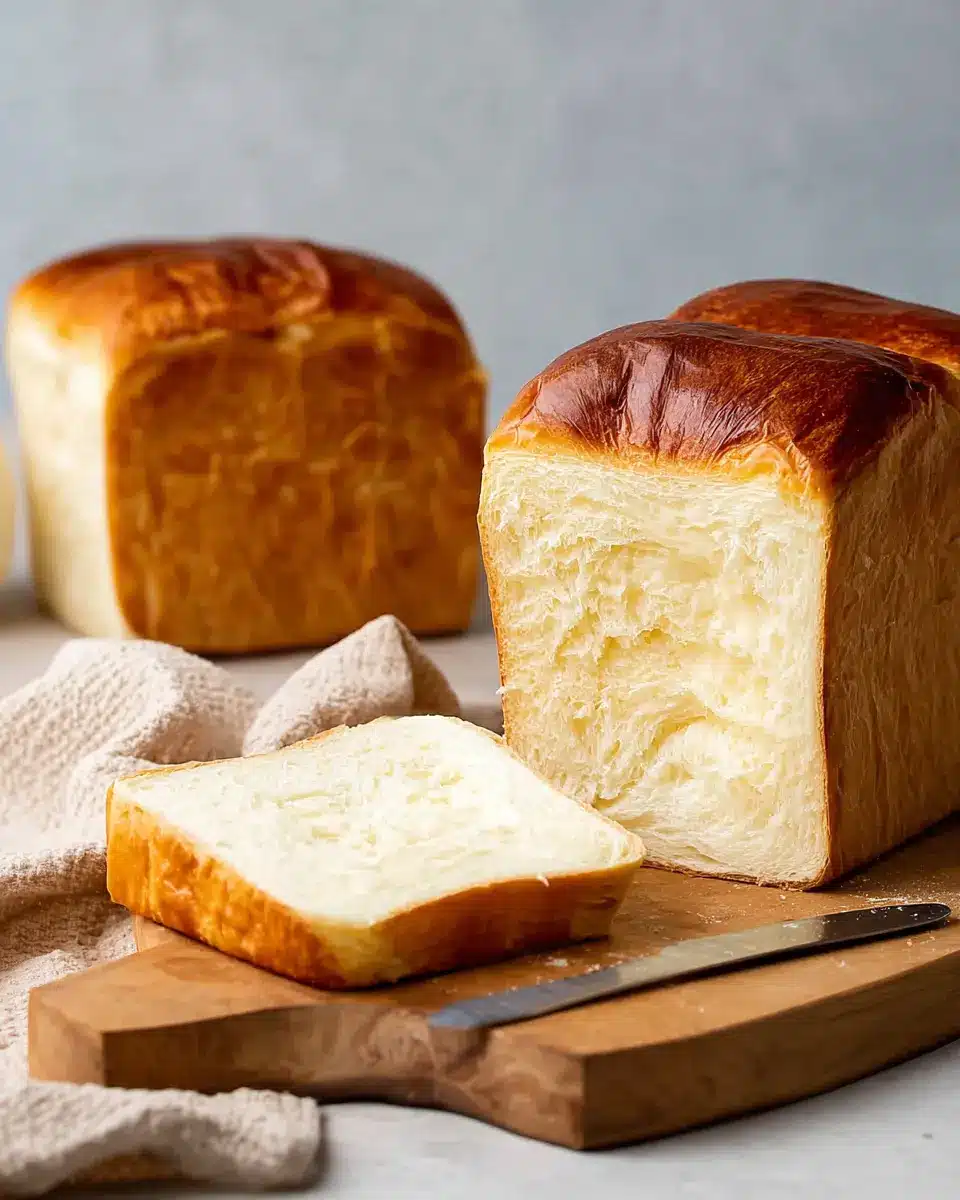
Variations on Japanese Milk Bread Loaf
Adding flavors: Matcha or chocolate twists
Looking to elevate your Japanese Milk Bread Loaf experience? Consider adding fun flavors! Try swirling in matcha powder for a beautiful green tea infusion or folding in chocolate chips to satisfy your sweet tooth. Each twist transforms your loaf into a unique treat, perfect for breakfast or an afternoon snack.
Creating sandwiches with filled options
The soft, fluffy texture of Japanese Milk Bread Loaf makes it an excellent choice for sandwiches. Think outside the box—try turkey bacon paired with avocado and a pinch of salt, or go for a classic using chicken ham with fresh lettuce and mayo. You’ll find that this bread not only holds its shape but also enhances the flavors of your fillings. Get creative and enjoy the endless possibilities!
Feel free to check out more about Japanese Milk Bread variations by visiting Serious Eats for additional flavor ideas and inspirations!
Cooking Tips and Notes for Japanese Milk Bread Loaf
Ensuring your Tangzhong is perfect
The Tangzhong is the soul of your Japanese Milk Bread Loaf; its smooth consistency is key. When you whisk the flour and milk over low heat, keep an eye on it! You're aiming for a thick paste that holds its shape—if it resembles a custard, you’re on the right track. For a visual reference, check out this guide on making a perfect Tangzhong.
Troubleshooting dough consistency
If your dough seems too sticky, don't worry! This can happen. Sprinkle in a little flour while kneading until you reach the ideal texture. On the flip side, if it’s too dry, a splash of milk can help bring it back to life. Remember, patience is essential; let it rise fully to achieve that soft, pillowy texture that everyone loves. If you're ever in doubt, resources like King Arthur Baking can provide additional guidance.
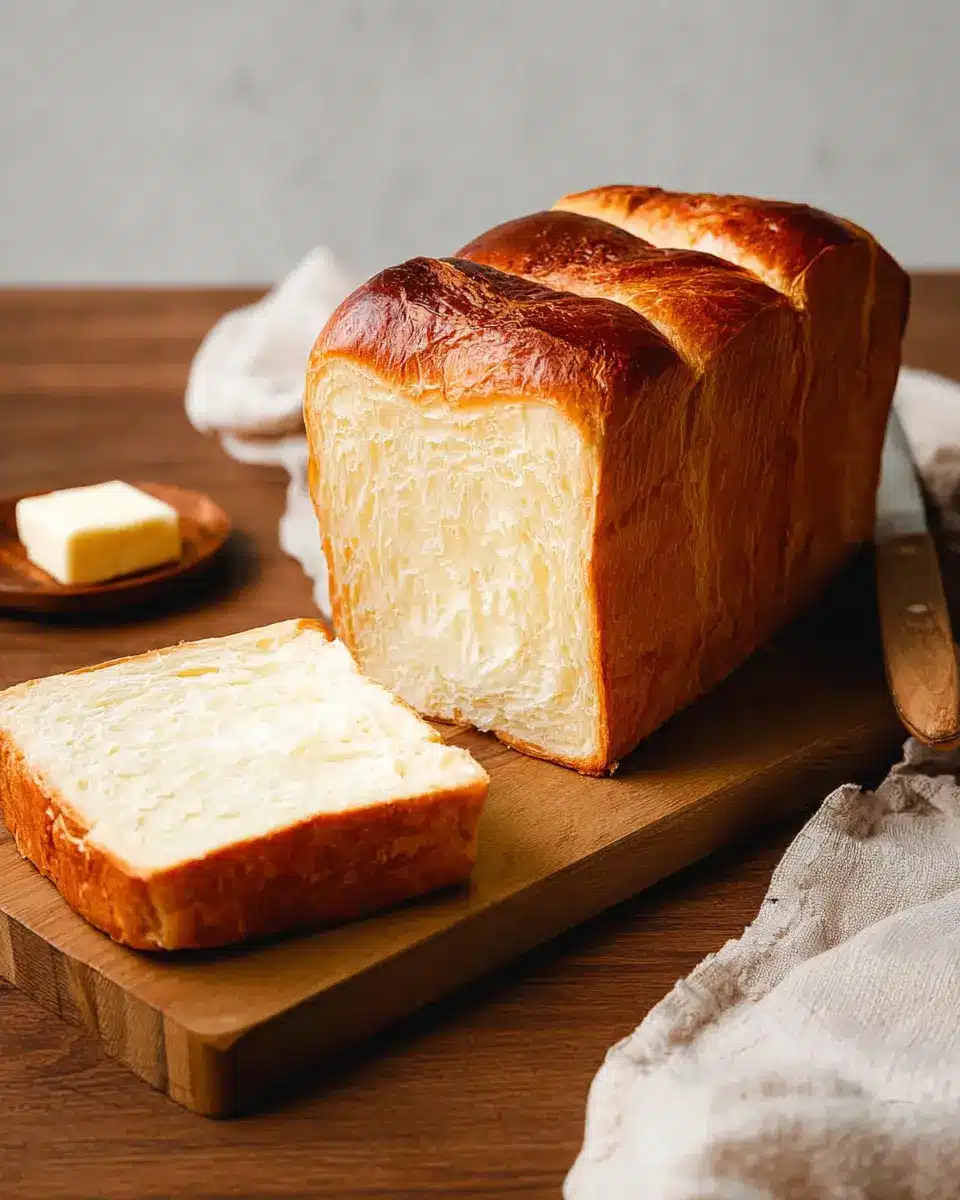
Serving suggestions for Japanese Milk Bread Loaf
Best toppings and spreads to enhance flavor
To elevate your Japanese Milk Bread Loaf, consider a variety of delicious toppings and spreads. Some favorites include:
- Butter or salted butter: The simplest way to enjoy this fluffy bread.
- Jam or fruit preserves: Try classics like strawberry or apricot for a sweet twist.
- Cream cheese or mascarpone: Add sweetness with honey or sugar for a creamy spread.
- Nut butters: Almond or peanut butter brings a nutty flavor that pairs perfectly.
Ideal pairings for breakfast or snacks
This delightful loaf isn't just for sandwiches; it's also perfect for various meals and snacks. Try:
- Avocado toast: Top with sliced avocado, chili flakes, and sesame seeds for a nutritious breakfast.
- Turkey bacon and eggs: A satisfying way to start your day with protein and flavor.
- Grilled cheese: Use your Japanese Milk Bread Loaf for an indulgent twist on a classic.
- Fresh fruit: Pair with sliced bananas or berries for a refreshing snack.
Explore more ideas for serving Japanese milk bread on Serious Eats for additional inspiration!
Time Breakdown for Japanese Milk Bread Loaf
Planning to bake a delicious Japanese Milk Bread Loaf? Here’s a quick breakdown of the time you’ll need for each stage of the process.
Preparation Time
You’ll want to set aside about 30 minutes to gather your ingredients and mix your dough. This is the perfect time to get familiar with the recipe and enjoy the process of baking!
Baking Time
Once your dough is shaped, it’ll need about 30 minutes in the oven to rise and bake to perfection. The wait will be worth it when the aroma fills your kitchen!
Total Time
From start to finish, the whole endeavor will take you around 3 hours. This includes resting time for the dough to rise, ensuring you get that soft, fluffy texture that Japanese Milk Bread is famous for.
If you're curious about learning more about the science behind bread-making, check out resources like the King Arthur Baking Company.
Nutritional Facts for Japanese Milk Bread Loaf
When you indulge in a slice of Japanese Milk Bread Loaf, it’s good to know what you’re fueling your body with. Here’s a quick overview of its nutritional components to keep you informed:
Calories
A single slice contains approximately 120 calories, allowing you to enjoy this soft treat without too much guilt!
Protein
This delightful bread packs in about 4 grams of protein per slice, making it a nice option to complement your meals or snacks.
Carbohydrates
With roughly 22 grams of carbohydrates, this loaf delivers ample energy, perfect for powering through your day.
For more detailed nutritional insights, consider checking out sources like Healthline or MyFitnessPal. Knowing what goes into your food can help you make informed decisions about your diet while enjoying delicious flavors.
FAQs about Japanese Milk Bread Loaf
What is the significance of Tangzhong in bread-making?
Tangzhong is a technique originating from Asian baking that involves cooking a portion of flour with water or milk to create a roux. This method enhances the moisture retention in the bread, resulting in a deliciously soft texture. It crucially improves the bread's shelf life, keeping it fresher for more extended periods. The Japanese Milk Bread Loaf you’ll be making leverages this technique to achieve that signature fluffiness!
How can I store leftover bread?
To store leftover Japanese Milk Bread Loaf, wrap it tightly in plastic wrap or store it in an airtight container at room temperature. This helps preserve its moisture and prevents it from becoming stale. If you want to keep it fresh for a longer period, consider freezing individual slices. Just thaw at room temperature or pop it in the toaster for a quick, delicious fix.
Can I make this bread without a stand mixer?
Absolutely! While a stand mixer does make the process easier, you can knead the dough by hand if you prefer. It may take a little longer, but it's just as effective. Just ensure you knead until the dough is smooth and elastic—aim for the windowpane test to check its readiness. Don't be afraid to roll up your sleeves and enjoy the tactile experience of making your very own Japanese Milk Bread Loaf!
Conclusion on Japanese Milk Bread Loaf
In conclusion, the Japanese Milk Bread Loaf is truly a game-changer for bread lovers! Perfectly soft and fluffy, it pairs wonderfully with any meal or stands out as a delightful breakfast option. Experiment with flavors, serve it warm, and savor the enchantment of homemade bread. For more tips, check out King Arthur Baking for a wealth of baking resources!

Japanese Milk Bread Loaf
Equipment
- electric stand mixer
- Pullman Loaf Pan
- small saucepan
- wire rack
Ingredients
For the Tangzhong
- 14 g white bread flour
- 100 ml milk
For the Japanese Milk Bread Dough
- 350 g white bread flour
- 3.5 g instant dried yeast see Kitchen Notes
- 6 g fine salt
- 55 g caster sugar (superfine sugar)
- 1 egg
- 125 ml milk warmed to 37°C/98°F
- 50 g unsalted butter softened
Instructions
For the Tangzhong
- Whisk the ingredients together in a small saucepan.
- Place the saucepan over low heat.
- Keep whisking until the ingredients form a thick paste.
- Remove the paste to a small bowl, and set it aside to cool down completely.
To Make the Dough
- Measure the flour, yeast, salt and sugar into the bowl of an electric stand mixer.
- Mix the dry ingredients together using a dough hook.
- Add the egg and the cooled Tangzhong.
- Slowly add the milk until the mixture comes together into a sticky dough.
- Add the butter, one tablespoon at a time.
- Continue kneading the dough on medium speed for about 10-15 minutes, or until the dough passes the windowpane test.
- Lightly oil a large, clean mixing bowl.
- Roll the dough into a smooth ball and place it into the mixing bowl.
- Cover the dough with a clean tea towel or bowl cover, and place it somewhere warm for about 1.5 hours.
Portion the Dough
- Gently remove the dough from the bowl. The dough will deflate as you handle it.
- Divide the dough into 3 equal portions.
Shaping the Dough
- Lightly grease a Pullman loaf pan and its lid with butter or non-stick baking spray.
- Roll a piece of dough into a smooth ball.
- Then roll the dough into an oval shape, about 20 x 13 cm/8 x 5 inches.
- Roll up the piece of dough from the short end so that you have a log which is about 5 inches long.
- Repeat the above steps with the remaining pieces of dough.
- Place the shaped pieces of dough into the loaf pan with the seam facing down.
Proving the Shaped Dough
- Place the pan somewhere warm, covered with some plastic wrap, for about 30 - 60 minutes.
- If you are using a Pullman loaf pan with a lid, be careful that the dough does not rise too high.
Baking the Milk Bread
- Preheat the oven to 180°C/356°F (without fan).
- Place a metal baking tray on the middle shelf.
- Bake the loaf for about 30 minutes, or until the bread is nicely golden all over.
- The bread is cooked if an internal thermometer reads 85°C/185°F.
- Leave the bread in the pan for about 5 minutes, before carefully inverting the bread onto a wire rack to cool completely.




Leave a Reply