
Introduction to Amish White Bread
If you’re on the hunt for a delightful homemade bread recipe, look no further than Amish White Bread. This classic bread hails from the Amish community, celebrated for its simple ingredients and heartwarming flavor. But why is it so popular? Well, one bite of this tender, fluffy white bread will take you back to a homestead kitchen filled with warmth and the comforting scent of freshly baked goodness.
So, what sets Amish White Bread apart? It's the combination of straightforward ingredients and the joy of a hands-on baking experience. With just warm water, sugar, yeast, flour, salt, and oil, you can create something truly special. Plus, the recipe is beginner-friendly, requiring minimal time and effort—perfect for busy young professionals seeking a taste of home without the hassle.
The versatility of this bread is also a massive draw. Whether you’re using it for sandwiches, toast, or simply enjoying it warm with butter, Amish White Bread adapts beautifully to any occasion. You might even find yourself reminiscing about family dinners as the aroma fills your kitchen. Interested in exploring more about the Amish lifestyle and their culinary traditions? Check out this article on Amish culture.
Get ready to embark on your baking adventure with this easy-to-follow recipe!
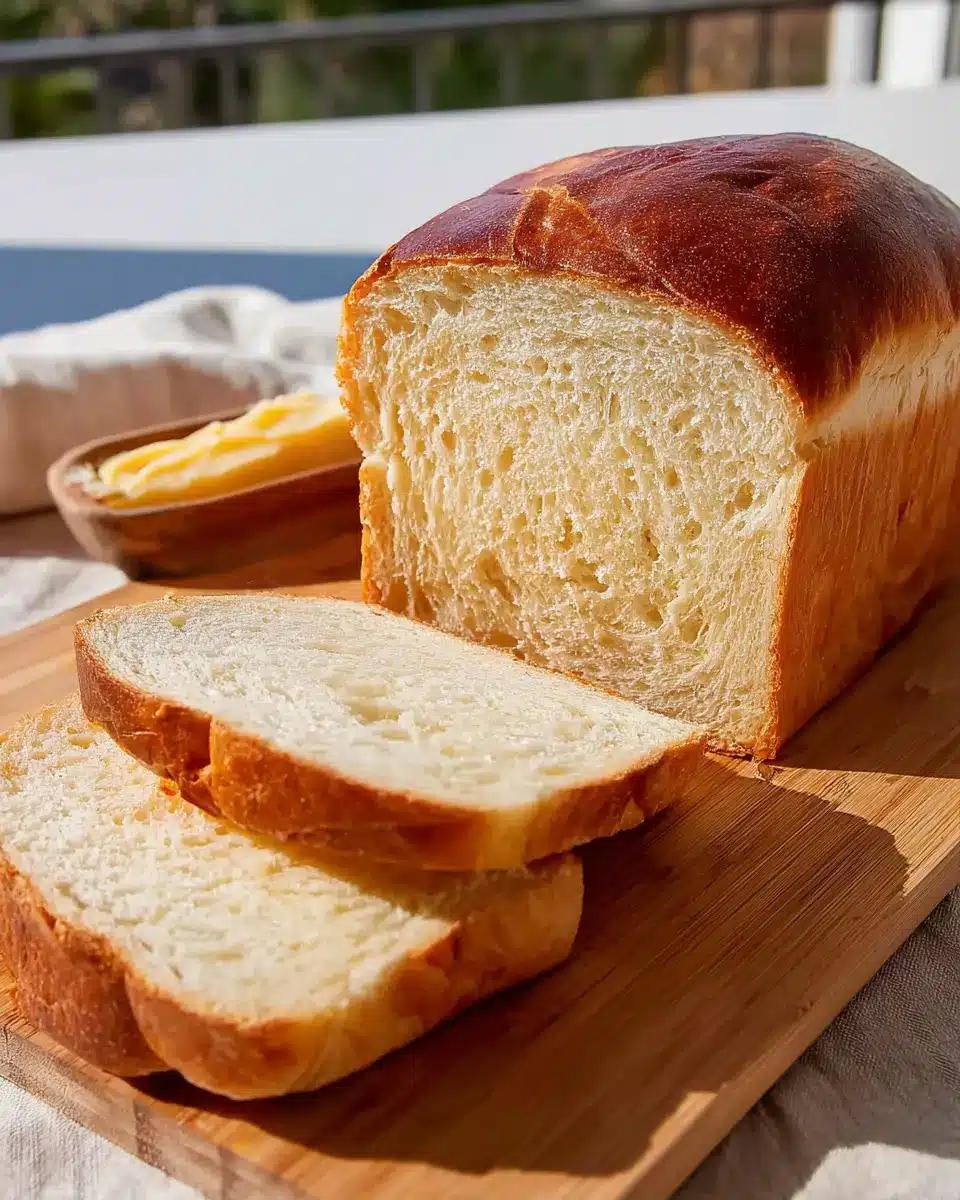
Ingredients for Amish White Bread
Essential ingredients for a perfect loaf
When it comes to baking a delicious loaf of Amish White Bread, using the right ingredients is key to achieving that perfect fluffy texture and mouthwatering flavor. Here’s what you'll need:
- 2 cups warm water (110 degrees F / 45 degrees C): This helps activate the yeast, giving your bread that lovely rise.
- ⅔ cup white sugar: Adds sweetness and promotes browning.
- 1 ½ tablespoons active dry yeast: The star ingredient that makes your bread rise!
- ¼ cup vegetable oil: Keeps the bread moist and tender.
- 1 ½ teaspoons salt: Enhances flavor while controlling yeast growth.
- 6 cups bread flour: Provides the structure you need for a soft, chewy loaf.
Don't skimp on the quality of your ingredients. Fresh yeast and good flour can greatly impact the outcome. For more tips on choosing the best baking ingredients, check out King Arthur Baking. Happy baking!
Preparing Amish White Bread
Making Amish White Bread isn't just about following a recipe; it’s a journey that fills your kitchen with delightful scents and a sense of accomplishment. Whether you’re baking for yourself or sharing with loved ones, the process can be quite rewarding. Let’s dive into the steps you’ll take to create this inviting loaf.
Gather Your Ingredients
Before you start, make sure you have all your ingredients ready. Here’s what you’ll need:
- 2 cups warm water (110°F / 45°C)
- ⅔ cup white sugar
- 1 ½ tablespoons active dry yeast
- ¼ cup vegetable oil
- 1 ½ teaspoons salt
- 6 cups bread flour
Having everything prepped in advance will make your baking experience smooth and enjoyable. You could even measure out the flour beforehand or gather your baking tools, like mixing bowls and loaf pans.
Activate the Yeast
In a large mixing bowl, dissolve the sugar in warm water. The warmth of the water helps awaken the yeast, so it’s vital that it’s at the right temperature. Mix in the yeast and let it proof for about 5 to 10 minutes. You’re looking for a creamy foam on top, which indicates your yeast is active and ready to work its magic in your Amish White Bread.
Combine Wet and Dry Ingredients
Once your yeast mixture is foamy, mix in the vegetable oil and salt. Add the flour a cup at a time, stirring until it all comes together. You want a soft, slightly tacky dough. It’s okay if it seems a little sticky at first; kneading will help it smooth out.
Knead the Dough
Transfer your dough to a lightly floured surface and start kneading. This step is essential for developing gluten, which gives your bread that delightful chewy texture. Aim to knead it for about 8-10 minutes, until the dough is smooth and elastic.
First Rise
Place the kneaded dough in a well-oiled bowl, turning it to coat with oil. Cover it with a damp cloth and let it rise until it doubles in size, which usually takes around 1 hour. This rise is crucial as it allows the yeast to work, creating those fluffy air pockets that characterize great bread.
Shape the Loaves
After the dough has risen, punch it down gently and knead it for a few more minutes. Divide the dough in half, shaping each piece into a loaf. Place them in two well-oiled 9x5-inch loaf pans, ensuring they have adequate room to rise.
Second Rise
Cover your loaves with a damp cloth again and let them rise until they’ve topped the pans by about an inch, usually around 30 minutes. During this time, preheat your oven to 350°F (175°C) so it’s ready for the next step.
Bake the Bread
Once the second rise is complete, it’s time to bake! Place your loaves in the preheated oven and bake until they are golden brown, which should take about 30 minutes. The aroma that fills your kitchen will have everyone coming to check on your progress!
Once done, let your Amish White Bread cool before slicing. Enjoy your homemade masterpiece!
For more tips on bread making, consider checking resources like King Arthur Baking for a wealth of expert advice and recipes!
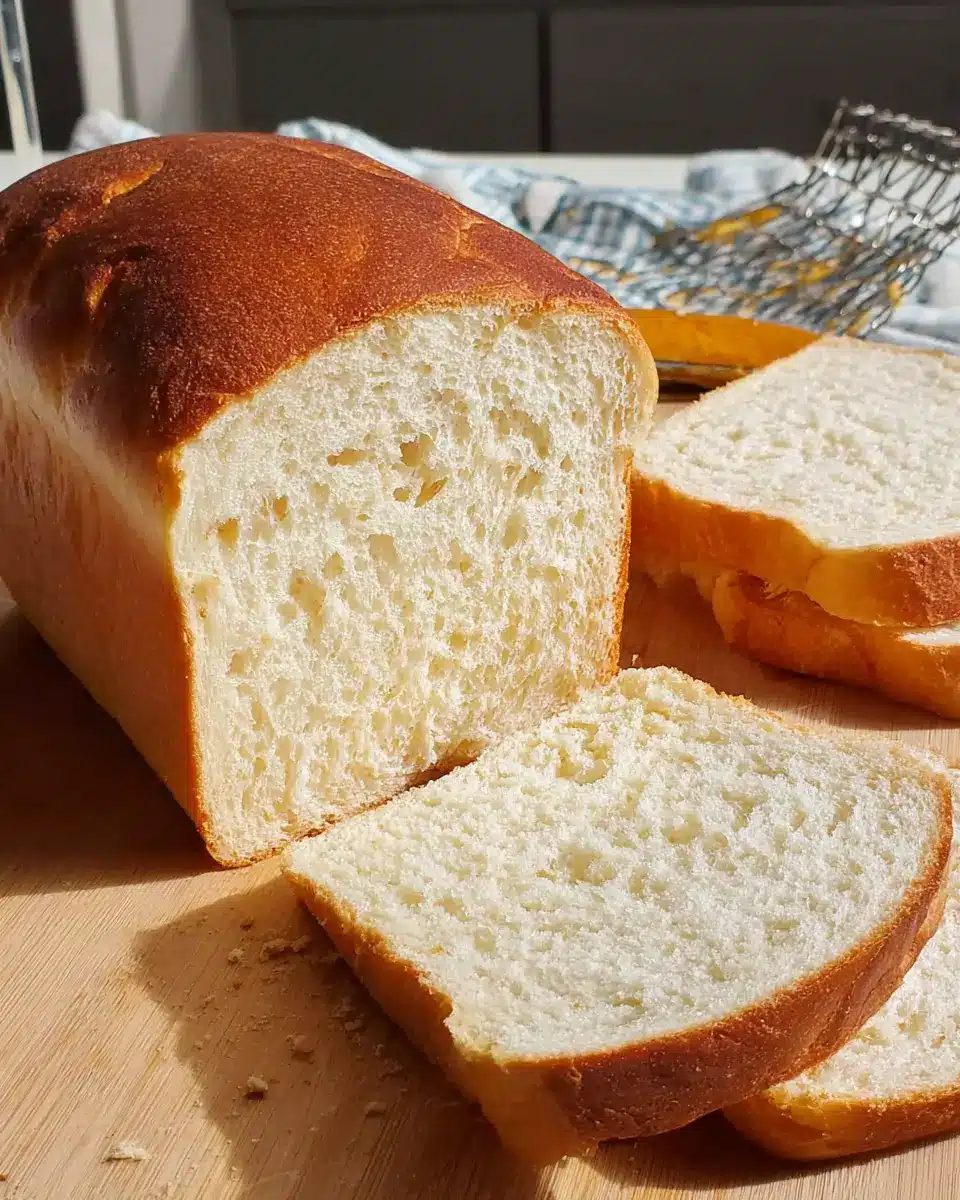
Variations on Amish White Bread
Whole Wheat Amish White Bread
For a heartier option, try substituting half of the bread flour with whole wheat flour in the classic Amish White Bread recipe. This adds a nutty flavor and boosts fiber content, making it not only delicious but also a healthier choice. Just remember, you'll need to adjust the hydration a bit since whole wheat flour absorbs more water. You might find you need an extra 1-2 tablespoons of water to achieve the right consistency.
Herb-infused Amish White Bread
Elevate your Amish White Bread by incorporating fresh or dried herbs directly into the dough. A mix of rosemary, thyme, or oregano can add a delightful twist to your bread, making it an impressive side for soups and stews or a flavorful base for sandwiches. Simply add 1-2 tablespoons of your chosen herb during the mixing stage for a warm, aromatic touch that will fill your kitchen with amazing scents.
Explore more on bread variations at King Arthur Baking and discover creative ways to make your bread truly unique!
Cooking tips and notes for Amish White Bread
Tips for perfect bread texture
For that ideal Amish White Bread texture, be sure to knead the dough thoroughly. Aim for about 8-10 minutes until it's smooth and elastic. Use bread flour if you can, as it has a higher protein content, which helps create that wonderful, chewy crumb. Don't rush the rising times — allowing the dough to double fully gives you light, airy loaves.
Common mistakes to avoid
One common mistake is adding too much flour initially; it can lead to dense bread. After mixing your ingredients, only add flour until the dough is slightly sticky, ensuring proper hydration. Avoid using water that’s too hot, as it can kill the yeast. Lastly, be sure to keep the dough covered while it rises to prevent drying out. For more tips, check out resources like King Arthur Baking.
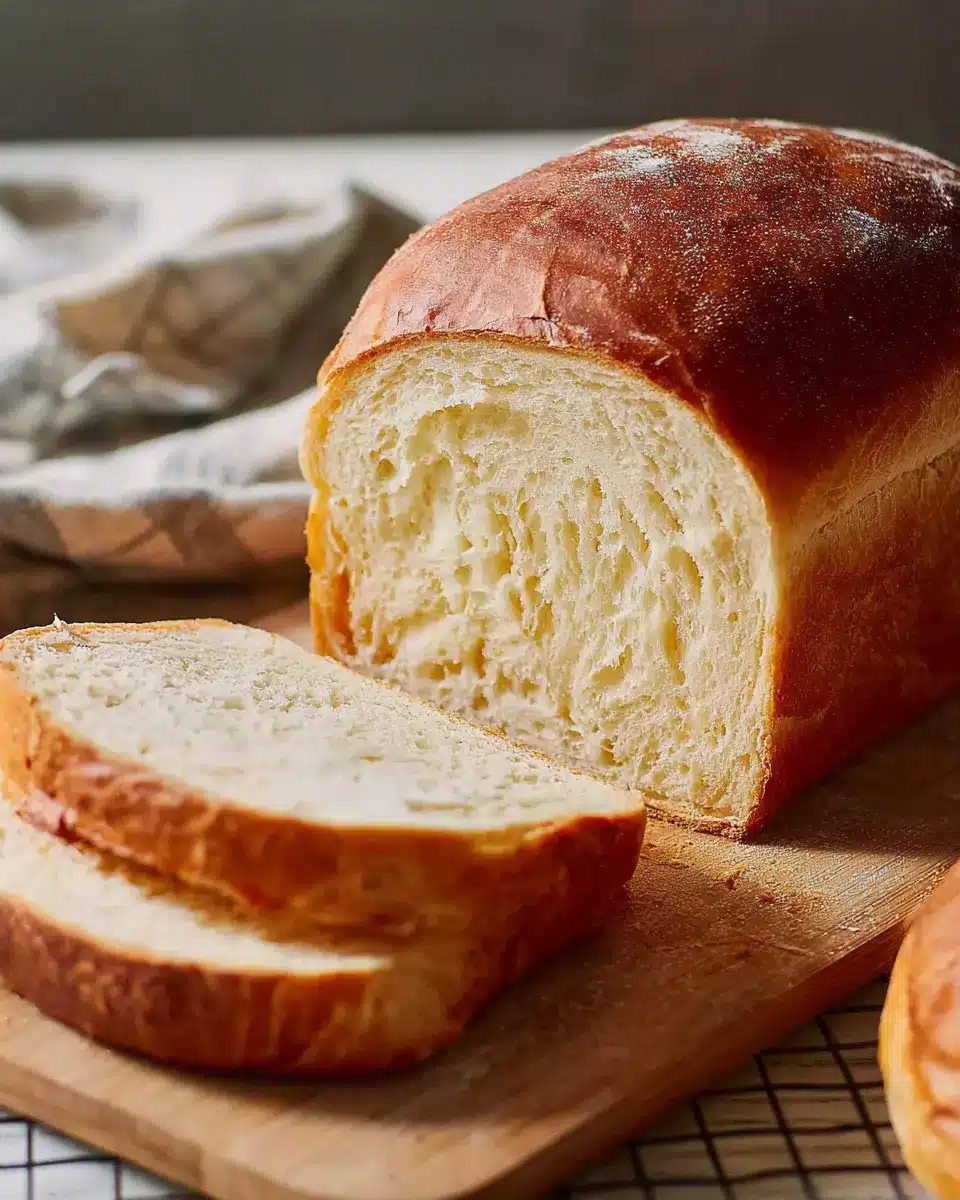
Serving Suggestions for Amish White Bread
Best Toppings for Amish White Bread
When it comes to enjoying Amish White Bread, the topping options are endless! For a classic approach, slather on some butter and sprinkle with a little sea salt for a comforting snack. If you want something richer, try spreading cream cheese with sliced tomatoes and a touch of fresh basil. For a heartier option, indulge in turkey bacon and avocado toast – the creamy avocado pairs beautifully with the fluffy bread. Don’t forget about sweet toppings! A drizzle of honey or your favorite jam can truly elevate your breakfast experience.
Creative Ways to Use Leftover Bread
Got some Amish White Bread left over? Don’t let it go to waste! Transform it into delicious garlic croutons by tossing cubed bread with olive oil and garlic, then baking until golden. You can also whip up a big batch of bread pudding – perfect for dessert or even breakfast! Finally, consider making a savory strata by layering the bread with eggs, cheese, and veggies, then baking until bubbly. Each of these ideas not only minimizes waste but also maximizes flavor, giving you even more reasons to love this delightful bread.
For additional inspiration, check out this resource on creative bread recipes.
Time breakdown for baking Amish White Bread
When you’re ready to dive into baking, knowing how long each step takes can make a big difference. Here’s a quick breakdown of the time involved for making Amish White Bread.
Preparation time
In just 20 minutes, you can gather and prep all your ingredients. Measuring out the warm water, sugar, and yeast is straightforward and sets the foundation for your loaf.
Cooking time
Baking your delicious Amish White Bread takes about 30 minutes. The gentle heat will create that perfect golden color and delicious aroma that fills your kitchen.
Total time
From start to finish, including rising time, you’re looking at a total of 2 hours and 25 minutes. While you wait, consider preparing a spread or toppings to enjoy with your fresh bread!
For more tips on baking bread, check out resources like King Arthur Baking or The Bread Kitchen for some great ideas and inspiration!
Nutritional Facts for Amish White Bread
Calories per serving
In a delightful serving of Amish White Bread, you can expect around 168 calories. This is a satisfying yet manageable amount for a classic bread that pairs wonderfully with your favorite spreads or as a sandwich base.
Key nutrients
What makes this bread special? It provides essential nutrients such as:
- Total Fat: 3g
- Sodium: 147mg
- Total Carbohydrates: 31g
- Dietary Fiber: 1g
- Sugars: 6g
- Protein: 4g
This nutrient profile allows you to enjoy your homemade bread without compromise. Plus, with just 6mg of calcium and 2mg of iron, it's a tasty companion to a balanced diet.
For more insights into bread nutrition, check out resources from the USDA or explore how bread pairs with various diets on Healthline.
FAQ about Amish White Bread
Why is my bread not rising?
If your Amish White Bread isn't rising, it might be due to inactive yeast. Always check the expiration date on your yeast. Additionally, if the water is too hot (over 110°F), it can kill the yeast, preventing proper fermentation. To ensure the yeast is active, dissolve it in warm water with sugar, and wait for 5-10 minutes until it becomes bubbly. If it doesn’t foam, start over with fresh yeast.
Can I freeze Amish White Bread?
Absolutely! Freezing is a fantastic way to preserve your delicious Amish White Bread. After baking, allow the loaves to cool completely. Wrap them tightly in plastic wrap, followed by aluminum foil, to prevent freezer burn. They can be stored for up to three months. To enjoy, simply thaw at room temperature or pop in the toaster for a quick breakfast treat.
What to do if the dough is too sticky?
A sticky dough can be a challenge when making Amish White Bread. If you encounter this, don’t panic! Gradually add more flour—start with a tablespoon at a time—until the dough reaches a smooth consistency. Remember, kneading your dough thoroughly also helps develop gluten, which can improve its texture. If you still have trouble, consider this helpful guide from King Arthur Baking on dough consistency.
Conclusion on Amish White Bread
Embracing homemade goodness
Baking your own Amish White Bread is a delightful journey back to traditional roots, offering an exceptional flavor that store-bought bread often lacks. The process allows you to connect with your food and family. So, gather your loved ones, enjoy the heartwarming aroma, and welcome the taste of homemade goodness into your kitchen. This recipe is not just about bread; it’s a warm embrace of comfort and care. For more tips on enhancing your baking skills, check out King Arthur Baking. Happy baking!
Amish White Bread
Equipment
- large bowl
- mixing spoon
- measuring cups
- measuring spoons
- loaf pans
- Oven
Ingredients
- 2 cups warm water (110 degrees F/45 degrees C)
- ⅔ cup white sugar
- 1 ½ tablespoons active dry yeast
- ¼ cup vegetable oil
- 1 ½ teaspoons salt
- 6 cups bread flour
Instructions
- Gather all ingredients.
- Dissolve sugar in warm water in a large bowl, and then stir in yeast. Allow to proof until yeast resembles a creamy foam, 5 to 10 minutes.
- Mix oil and salt into the yeast. Mix in flour one cup at a time.
- Knead dough on a lightly floured surface until smooth.
- Place in a well-oiled bowl, and turn dough to coat. Cover with a damp cloth. Allow to rise until doubled in bulk, about 1 hour.
- Punch dough down.
- Knead for a few minutes, and divide in half. Shape into loaves, and place into two well-oiled 9x5-inch loaf pans.
- Allow to rise until dough has topped the pans by one inch, about 30 minutes.
- Meanwhile, preheat the oven to 350 degrees F (175 degrees C).
- Bake the risen loaves in the preheated oven until golden brown for 30 minutes.
- Enjoy!

Leave a Reply