
Introduction to Classic Ribollita Recipe
What is Ribollita and Its Origins?
Ribollita is a hearty Tuscan soup that beautifully embodies the essence of rustic Italian cooking. Traditionally made with leftover vegetables and stale bread, the dish's name translates to "reboiled," reflecting its nature as a dish meant to use what you have on hand. The roots of ribollita date back to the Middle Ages when peasants would take the remnants of their meals, transform them into a nourishing soup, and savor every last drop.
This classic ribollita recipe is a celebration of seasonal vegetables—from sweet carrots to vibrant leafy greens like cavolo nero, also known as black cabbage. It's no wonder this soup has become a beloved staple in Italian households, prized for both its comforting flavors and its frugality. The beauty of ribollita lies not just in its taste but in its versatility; you can customize it with whatever veggies you have.
If you’re interested in diving deeper into the roots of Italian cuisine, check out this article that explores the delicious history behind Italian recipes. You're bound to discover new favorites along the way!
Ready to unfold this culinary adventure? Let's jump into the classic ribollita recipe!
Ingredients for Classic Ribollita
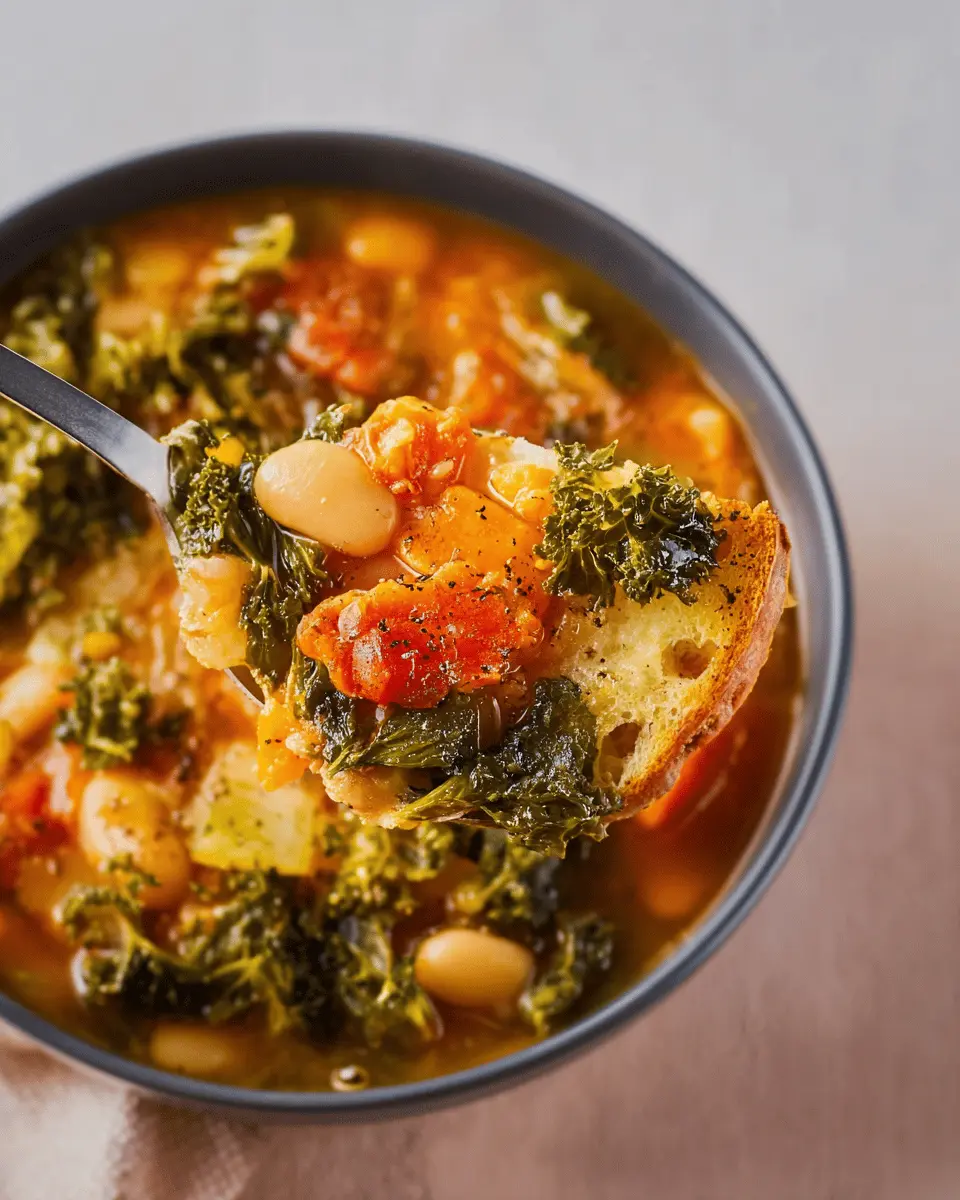
Creating a comforting pot of classic ribollita means gathering some essential ingredients that lend this hearty dish its signature flavors. Here’s what you’ll need!
Key ingredients for a traditional ribollita
- Cannellini beans: 150g, soaked overnight for creaminess.
- Olive oil: Essential for sautéing and adding richness.
- Vegetables: 1 diced onion, 1 diced carrot, and 2 sliced celery sticks form the aromatic base.
- Garlic: Multiple cloves, including some unpeeled for a subtle depth.
- Tomatoes: 3 quartered plum tomatoes add a pop of acidity.
- Potatoes: 2 medium, peeled and cut into sixths for heartiness.
- Cabbage: 3 cavolo nero leaves and savoy cabbage or Swiss chard, working together for texture.
- Bread: 100g of stale bread, a must-have for soaking up all those delicious flavors.
Optional add-ins for extra flavor
To elevate your classic ribollita recipe, consider these optional add-ins:
- Turkey bacon: Adds smokiness without overpowering the soup.
- Chicken ham: Provides a savory note that complements the beans.
- Spices: A pinch of chili flakes or fennel seeds can add an exciting kick.
- Herbs: Fresh rosemary and thyme bring fragrant freshness and elevate overall taste.
Feel free to mix and match these ingredients to suit your taste! For more inspiration on Italian comfort food, check out Italian Gourmet.
Step-by-step Preparation of Classic Ribollita
Creating a classic ribollita is not just about following a recipe; it's a journey into the heart of Tuscany, where vibrant flavors and wholesome ingredients come together in a beautiful, rustic soup. Let's get started on this delightful dish!
Prepare the Cannellini Beans
To kick off your classic ribollita recipe, begin with the cannellini beans. After soaking 150g of dried beans in cold water overnight, drain them and transfer to a pot. Add fresh water, along with a halved onion, four smashed garlic cloves, two bay leaves, and a sprig of thyme. Season generously with salt. Bring the pot to a boil, then reduce to a simmer. Let them cook for approximately 45 minutes until they're just tender. Once done, drain the beans but reserve that lovely cooking water for later—it's liquid gold for your soup.
Sauté the Aromatics
Next up, we’ll build flavor by sautéing the aromatics. In a large, heavy-bottomed pan, heat a splash of olive oil over medium heat. Add a diced onion, a diced carrot, and sliced celery, along with a sprinkle of fennel seeds and a pinch of chili flakes for a hint of warmth. This step is crucial; you want to gently sweat the vegetables for about 10 minutes until they’ve softened but haven’t taken on any color. The aroma will be absolutely inviting!
Add the Tomatoes and Beans
Now, it’s time to bring in the tomatoes and beans. Toss in three quartered plum tomatoes and stir for about two minutes, allowing them to join the mix. Then, add your reserved cooking water and the cooked cannellini beans to the pot. If the mixture appears too thick, don’t hesitate to top up with a bit more water. Let it all simmer gently for 30 minutes. This slow cooking will meld the flavors beautifully, making every bite a warm hug.
Incorporate the Vegetables
After the initial simmer, it’s time to enrich your soup! Add in peeled and cut potatoes, chopped cavolo nero, and savoy cabbage (or Swiss chard if that’s what you have on hand). Stir in a bay leaf, a sprig of rosemary, and a bit of thyme for an aromatic kick. Allow the mixture to simmer for another 15 minutes, or until the potatoes are tender. Hippocrates might say, “Let food be thy medicine,” and this hearty blend could teach anyone a thing or two about nourishing comfort.
Mix in the Stale Bread and Season
Finally, for that classic ribollita texture, the last step involves torn stale bread chunks—about 100g should do it. Incorporate the bread into the soup, allowing it to soak up all those fantastic flavors. Now, taste it! Season with salt and freshly cracked black pepper to your liking. For best results, consider letting the soup chill overnight in the fridge. The next day, just reheat and serve with a drizzle of high-quality extra virgin olive oil for an extra layer of depth.
Enjoy your homemade classic ribollita! It's hearty, wholesome, and rustic, perfect for sharing with friends or savoring during quiet nights in. For tips on storing and freezing this delightful dish, check out this helpful guide.
Variations on Classic Ribollita
Vegetarian Ribollita Without Beans
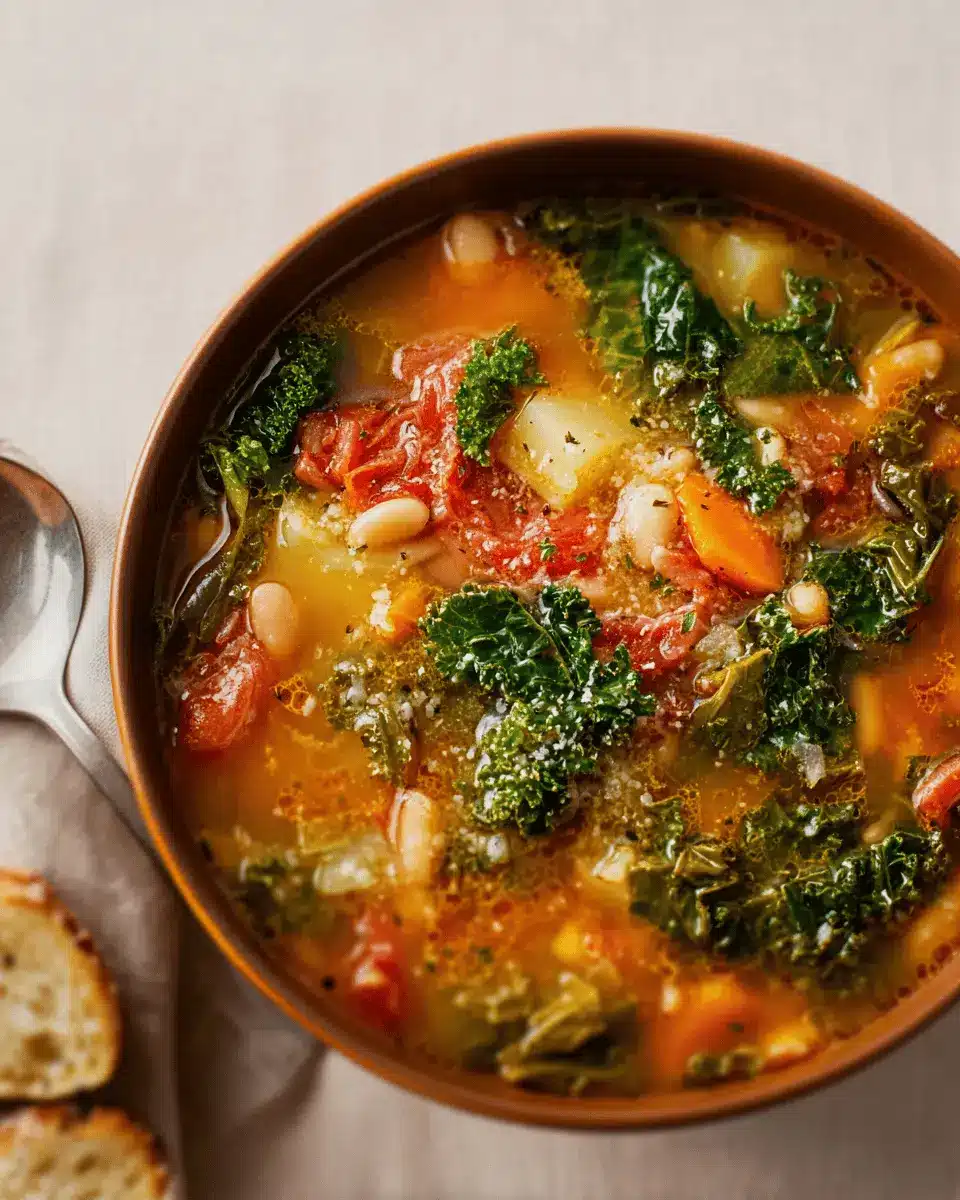
Craving a hearty bowl of ribollita but looking to skip the beans? You’re in luck! Simply replace the cannellini beans with additional vegetables like zucchini, bell peppers, or even mushrooms for a more tender bite. Adding lentils can also enhance texture and protein while keeping it vegetarian-friendly. If you’re interested in plant-based cooking, check out this guide on cooking with legumes for more inspiration.
Mediterranean Twist on Classic Ribollita
For a delightful Mediterranean flair, incorporate ingredients like kalamata olives, artichoke hearts, or sun-dried tomatoes. These additions not only boost the flavor but also evoke the essence of the region. You might even try incorporating a splash of lemon juice or a sprinkle of feta cheese just before serving. Intrigued? Explore a wealth of Mediterranean recipes online to elevate your culinary creativity!
Cooking Tips and Notes for Classic Ribollita
Best practices for achieving the perfect texture
To create a delightful classic ribollita recipe, ensure that your veggies are diced uniformly for even cooking. Use day-old bread; it absorbs flavors and thickens the soup without turning mushy. As the soup simmers, the texture will develop, so don’t rush it—allow the ingredients to meld beautifully. For an extra layer of creaminess, mash a portion of the cannellini beans before adding them to the pot.
How to enhance flavors during cooking
To elevate the taste of your ribollita, consider sautéing your vegetables with a splash of extra virgin olive oil at the beginning. This step not only infuses the oil but also adds depth. Incorporating herbs like rosemary and thyme directly into the soup will infuse their aromatic qualities. Finally, let your ribollita chill overnight; the flavors intensify significantly, delivering the heartwarming dish you crave. For more insights on ingredient pairings, check out The Kitchn's guide on herbs.
Serving Suggestions for Classic Ribollita
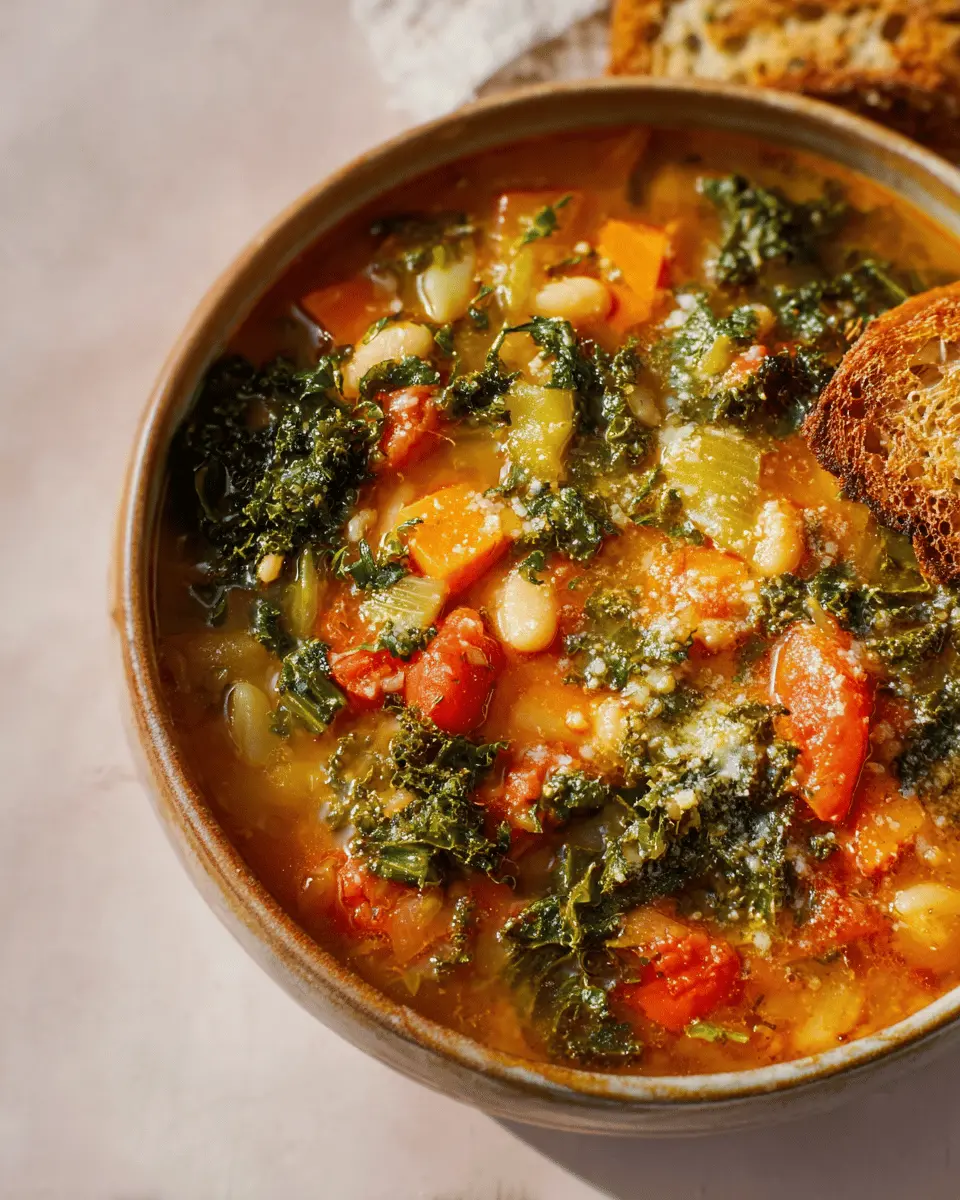
Whether you're enjoying a homemade classic ribollita recipe or sharing it with friends, the right accompaniments can truly elevate your experience. Here are some delightful ways to serve up this hearty dish.
Best accompaniments for ribollita
Ribollita pairs beautifully with:
- Crusty bread: Consider a ciabatta or sourdough—perfect for soaking up the flavors.
- Salad: A fresh arugula salad with a light vinaigrette adds a nice contrast.
- Turkey bacon or chicken ham: The savory touch of these options complements the dish without overpowering it.
Ideal garnishes to elevate the dish
To make your ribollita shine, try:
- Extra virgin olive oil: A drizzle just before serving enhances richness.
- Fresh herbs: Chopped parsley or basil brightens the flavors and adds a pop of color.
- Parmesan cheese: A dash of freshly grated cheese on top intensifies the umami experience.
With these suggestions in mind, your classic ribollita will not only be a satisfying meal but also a beautifully presented dish that impresses your guests!
Time Breakdown for Classic Ribollita
Preparation Time
To get started with this delicious classic ribollita recipe, you should set aside about 30 minutes for preparation. This includes soaking the cannellini beans overnight, chopping vegetables, and gathering your ingredients. Your kitchen will be a vibrant mix of colors and aromas!
Cooking Time
Cooking the ribollita takes approximately 1 hour and 15 minutes. You'll spend the first 45 minutes cooking the beans and then simmering the vegetables for a flavorful 30 minutes. This slow cooking allows the ingredients to meld together beautifully, making the soup more comforting and hearty.
Total Time
Overall, expect the entire process to take around 1 hour and 45 minutes. While it may seem like a commitment, the rich flavors and satisfaction that come from a bowl of homemade ribollita are well worth your time. Plus, it's a fantastic dish to make ahead of time—chilling and reheating it enhances the taste even further.
If you're curious about other delicious Italian comfort foods, check out this Italian comfort food guide for inspiration!
Nutritional Facts for Classic Ribollita
Calories
A generous serving of classic ribollita contains around 300 calories, making it a wholesome option for any meal. This hearty soup satisfies your hunger without overwhelming your daily caloric intake.
Protein
With approximately 15 grams of protein per serving, this classic ribollita recipe is not only satisfying but also contributes to your daily protein requirements. Cannellini beans are a fantastic source of plant-based protein!
Fiber
Each bowl provides about 10 grams of fiber, supporting digestive health and helping you feel full longer. Incorporating ribollita into your diet can assist with weight management and overall wellness.
For detailed insights into the nutritional benefits of beans, check out resources from the USDA or the American Heart Association. Enjoy this deliciously nutritious dish as part of a balanced diet!
Frequently Asked Questions about Classic Ribollita
Can I use canned beans instead of dried?
Absolutely! If you're pressed for time, using canned cannellini beans can save you the overnight soaking and cooking steps. Just be sure to rinse them well before adding to your soup to reduce sodium content. The flavor and texture might differ slightly, but with the rich ingredients in this classic ribollita recipe, you won’t sacrifice taste.
How long can ribollita be stored in the fridge?
Ribollita is a fantastic make-ahead dish! Once cooled, it can be stored in an airtight container in the fridge for up to three days. Many say that it tastes even better the next day as the flavors deepen, making it ideal for your busy weekdays.
What’s the best way to reheat ribollita?
For the best results, reheat ribollita gently on the stove over medium heat, adding a splash of water or additional vegetable broth to keep it from thickening too much. Stir occasionally to ensure even heating. This will help you retain that wonderfully comforting taste!
For further reading on the health benefits of beans, check out Healthline.
Explore more perfect ribollita pairings and tips on making this dish your own in our full classic ribollita recipe!
Conclusion on Classic Ribollita
Making classic ribollita at home is a rewarding experience that fills your kitchen with warmth and inviting aromas. This hearty Tuscan dish not only showcases the beauty of seasonal vegetables and cannellini beans but also allows for creativity with leftover bread. Embrace this timeless recipe, and enjoy a bowl of comfort!
Classic Ribollita Recipe
Equipment
- large heavy-bottomed pan
Ingredients
Canellini beans
- 150 g cannellini beans soaked in cold water overnight
- 0.5 none onion peeled and cut in half, still attached at the root
- 4 cloves garlic unpeeled and bashed
- 2 none bay leaves
- 2 sprigs thyme
- none salt
Ribollita
- none olive oil
- 1 teaspoon fennel seeds
- 1 pinch chilli flakes
- 1 none onion diced
- 1 none carrot peeled and diced into 1cm cubes
- 2 sticks celery sliced
- 3 cloves garlic sliced
- 3 none plum tomatoes quartered
- 2 medium potatoes peeled and cut into sixths
- 3 leaves cavolo nero roughly chopped
- 2 leaves savoy cabbage or swiss chard, sliced
- 1 none bay leaf
- 1 sprig rosemary
- 1 sprig thyme
- 100 g stale bread torn into rough 3cm chunks
- none salt
- none pepper
Instructions
Method
- Cook the cannellini beans in a pan of salted water with the onion, garlic, bay, thyme and a healthy pinch of salt for 45 minutes, or until just undercooked. Drain and reserve the cooking water. Discard the onion, garlic and herbs.
- Add a splash of olive oil to a large, heavy-bottomed pan over medium heat. Gently sweat the onion, garlic, carrot and celery with the herbs, chilli flakes, fennel and a pinch of salt until soft but without colour (about 10 minutes).
- Add the tomatoes and stir for a couple of minutes. Add the beans and reserved bean stock, topping up with water as needed. Simmer for 30 minutes.
- After this time, add the potato, cavolo nero, savoy cabbage and bread and simmer for a further 15 minutes, or until the potato is cooked. Taste and season with salt and pepper.
- For best results, chill the soup after cooking and reheat the next day. Serve with a generous drizzle of good quality extra virgin olive oil and freshly cracked black pepper.


Leave a Reply