
Introduction to Sautéed Vegetables
Sautéed vegetables are not just a dish; they’re an experience! Why are they often hailed as the ultimate homemade meal? Simply put, they celebrate the vibrant colors and flavors of fresh produce, making any plate pop with both nutrition and taste. With just a few minutes of your time, you can transform ordinary vegetables into a delightful sauté that sings with flavor, thanks to the cozy embrace of olive oil, garlic, and herbs.
Not to mention how versatile sautéed vegetables can be! Whether you’re whipping them up for a casual weeknight dinner, meal prepping for the week, or impressing guests, these veggies adapt beautifully to any occasion. Plus, a medley of colorful vegetables not only enhances your meals visually but also brings a wealth of vitamins and minerals to the table.
As a fun note, studies show that colorful vegetables can help improve mood and energy levels—perfect for busy young professionals looking for a quick yet satisfying dish. Curious to dive into this delicious world? Let’s get started with our easy sautéed vegetables recipe, guaranteed to elevate your culinary journey with minimal fuss!
Essential Ingredients for Sautéed Vegetables
What You Need for a Colorful Medley
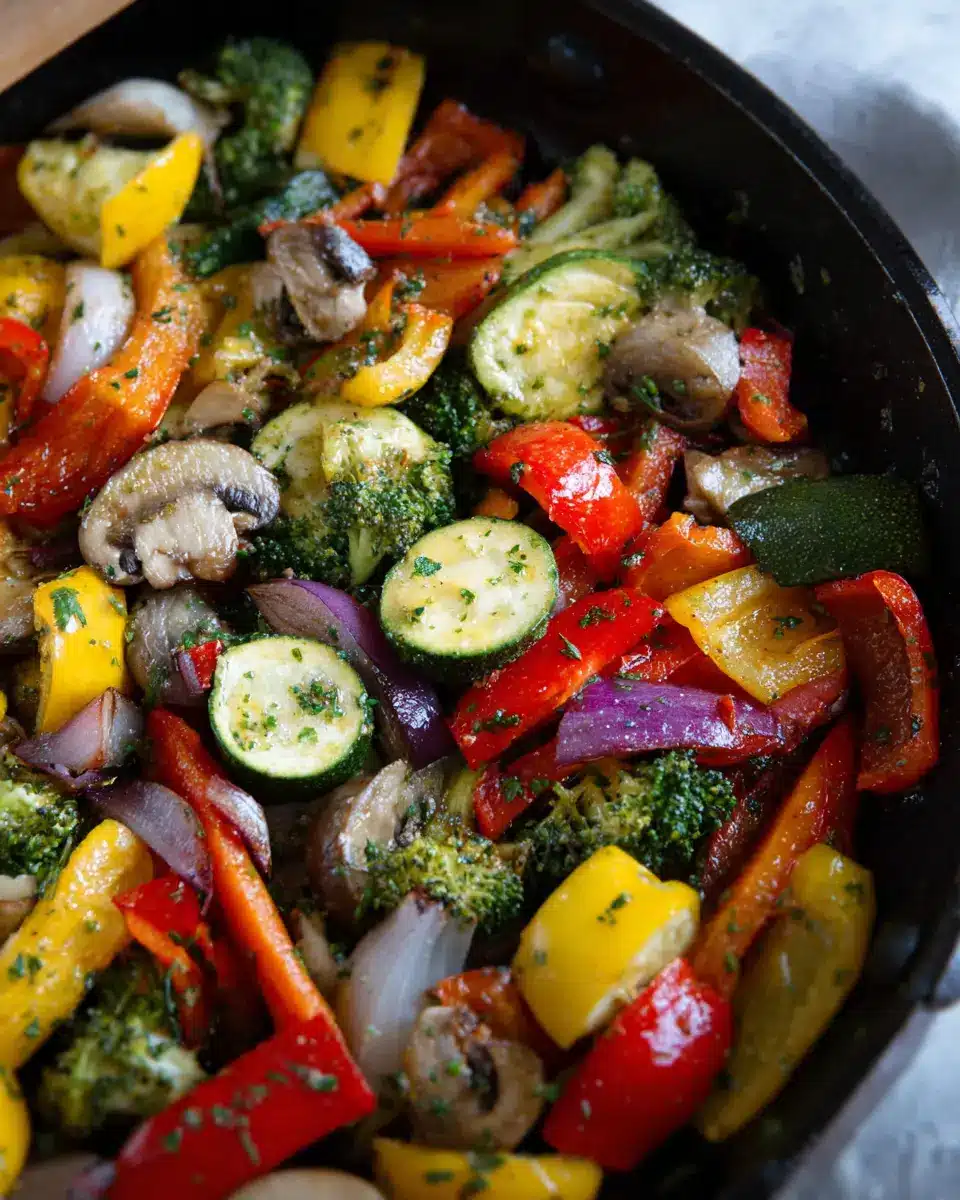
Creating a delightful dish of sautéed vegetables not only requires skill but also the right ingredients. Here’s what you’ll need for that vibrant, wholesome medley:
- Fresh Vegetable Variety: Opt for a mix, such as red bell peppers, carrots, broccoli, and squash, which not only provide different textures but also a burst of colors that can brighten any meal.
- High-Quality Olive Oil: This will not only help in cooking but enhance the flavors. Extra virgin olive oil is a fantastic choice for its rich taste and health benefits.
- Aromatic Elements: Including minced garlic and fresh thyme adds depth and fragrance, making your sautéed vegetables irresistible.
- Seasonings: Simple but essential—salt, freshly ground black pepper, and a splash of fresh lemon juice elevate your dish, while optional parmesan brings a savory touch.
These ingredients work together beautifully, ensuring your sautéed veggies are both delicious and nutritious. For a deeper dive into the nutritional benefits of these vegetables, check out reputable sources like the USDA MyPlate. Happy cooking!
Step-by-step Preparation of Sautéed Vegetables
Creating a vibrant dish of sautéed vegetables is not only quick but also a rewarding way to incorporate fresh produce into your meals. Let's dive into the step-by-step preparation process, ensuring you make the most out of those colorful veggies!
Gather and prep your vegetables
Before you start cooking, it’s vital to get your ingredients ready. Gather your fresh vegetables:
- 3 tablespoon olive oil
- 1 medium red bell pepper, chopped
- 2 medium carrots, peeled and sliced fairly thin (1 cup)
- ½ medium red onion, chopped (1 cup)
- 2 ½ cups broccoli florets (cut into bite-sized pieces)
- 1 medium yellow squash, thick portion halved, all sliced
- 1 ½ teaspoon minced garlic
- 1 ½ teaspoon fresh thyme leaves
- Salt and freshly ground black pepper
- 2 tablespoon chopped fresh parsley
- 1 ½ teaspoon fresh lemon juice
- ¼ cup grated parmesan cheese (optional, for serving)
Wash and dry your veggies, then chop them as described. This will ensure that everything cooks evenly. Pro tip: when cutting vegetables, try to create uniform pieces to help them cook at the same rate.
Heat the oil and sauté the base vegetables
Once your veggies are ready, grab a 12-inch skillet and heat the olive oil over medium-high heat. The oil should shimmer but not smoke. Add the bell pepper, carrots, onion, and broccoli to the hot oil. You'll want to sauté these for about 4 minutes. Toss them occasionally but let them get nice and browned for extra flavor. According to the American Heart Association, colorful vegetables are not only beautiful but also packed with antioxidants!
Add in the rest of the veggies
Now that your base veggies are a little tender, it’s time to include the yellow squash. Sauté this mix for an additional 3 minutes. The goal here is to ensure all vegetables maintain some crunch. Remember, you want each bite of your sautéed vegetables to have a delightful texture.
Season with herbs and aromatics
After that, it’s time to add the star of the show: garlic and thyme! Toss in 1 ½ teaspoon minced garlic and 1 ½ teaspoon fresh thyme leaves. These will introduce a wonderful aroma to your kitchen. Season with salt and pepper to taste, then sauté for 2 minutes until the vegetables are just tender. Timing is key to achieving that perfect balance of flavor and texture.
Finish with lemon and parsley
To brighten up the dish, finish off with 2 tablespoon chopped fresh parsley and 1 ½ teaspoon fresh lemon juice. Toss everything together for a final mix, allowing those zesty flavors to meld beautifully. Serve warm, and if desired, sprinkle with grated parmesan cheese for an extra touch of indulgence!
And there you have it—a simple, healthy, and delicious recipe for sautéed vegetables! This dish is great as a side or even as a light main, perfect for busy young professionals. Enjoy!
Variations of Sautéed Vegetables
Seasonal Sautéed Vegetable Medley
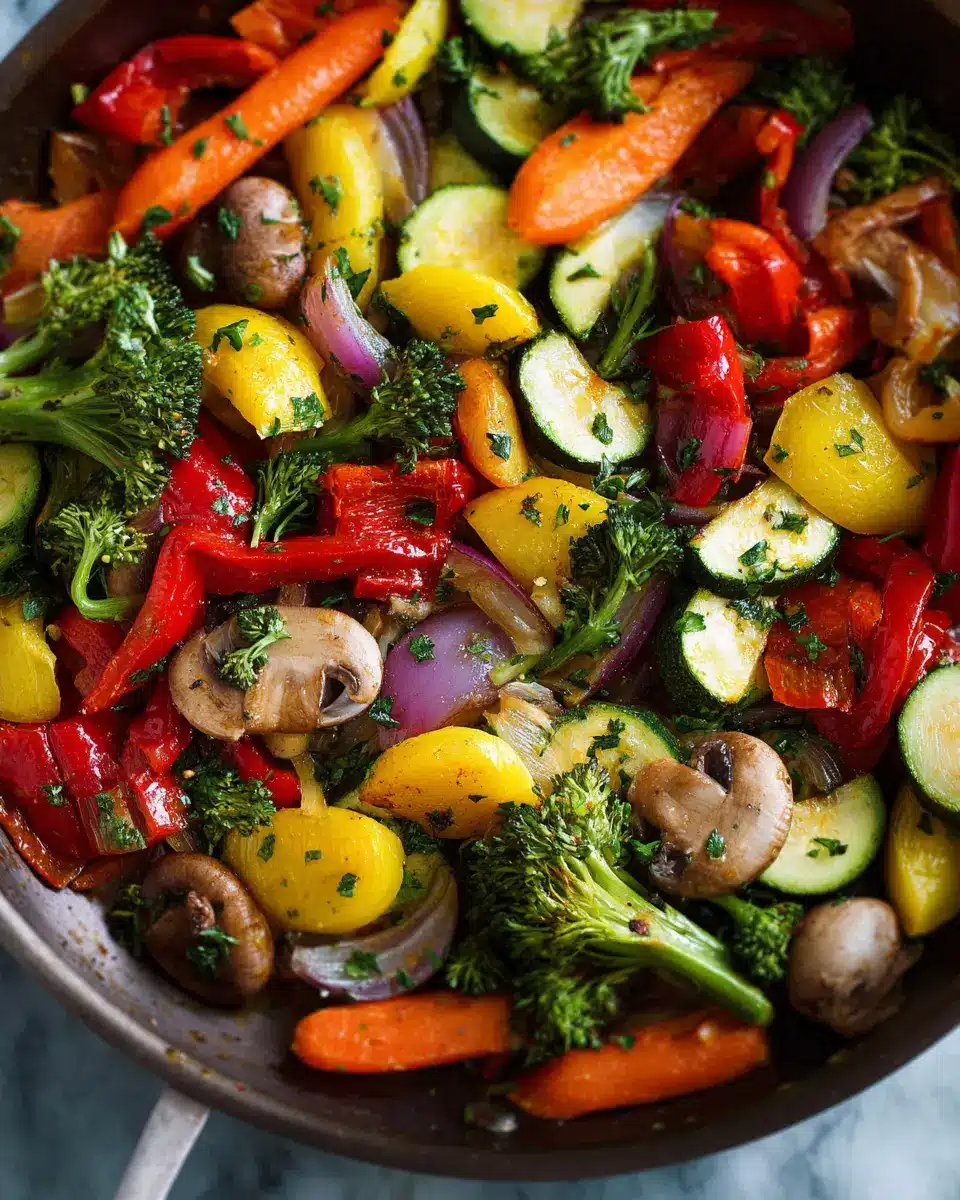
Embrace the charm of each season by mixing fresh, seasonal ingredients into your sautéed vegetables. In spring, think asparagus and sugar snap peas, while summer lends itself beautifully to zucchini and bell peppers. For autumn, sweet potatoes and Brussels sprouts can elevate your dish, and winter vegetables like kale and root veggies offer hearty flavors. This flexibility not only enhances nutrition but also keeps your meals exciting. Check out the seasonal produce guide for tips on what’s freshest near you!
Exotic Sautéed Vegetable Stir-Fry
For a twist on traditional sautéed vegetables, why not try an exotic stir-fry? Combine colorful bell peppers, snap peas, and bok choy with ginger and garlic, then finish with a splash of soy sauce or coconut aminos. This creates an easy, flavorful dish with an Asian-inspired flair. You might even toss in some cashews for added crunch! Stir-fries are a fantastic way to experiment with bold flavors, and you can find more tips on Asian cooking techniques to expand your culinary repertoire.
Cooking Tips and Notes for Perfect Sautéed Vegetables
Optimal heat settings
When sautéing vegetables, medium-high heat is your friend. This ensures a nice sear while keeping them tender. If the heat is too low, your veggies might end up soggy; too high, and they'll burn. Play around with your stove settings, as every skillet behaves differently, and let your senses guide you.
Choosing the right cookware
Using a heavy-based skillet or non-stick pan works wonders for achieving evenly cooked sautéed vegetables. They distribute heat uniformly, minimizing the chances of sticking or burning. Stainless steel is great for a beautiful brown crust, while non-stick is perfect for an effortless cleanup. Remember, the right pan enhances flavor and texture!
For more tips on cookware, check out Cook's Illustrated.
Serving Suggestions for Sautéed Vegetables
Pair with a protein source
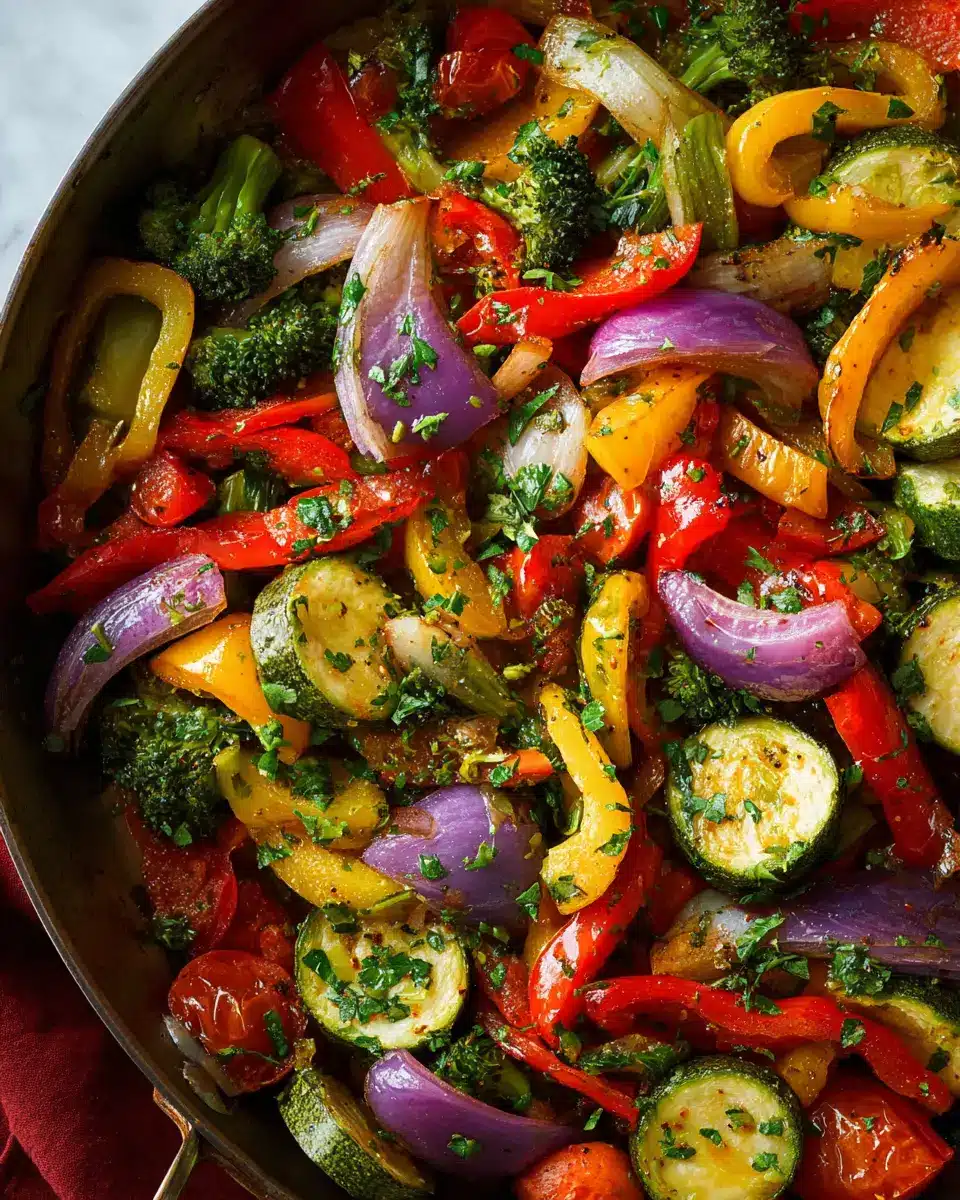
To make your sautéed vegetables a complete meal, consider pairing them with a protein source. Grilled chicken, turkey bacon, or baked tofu are excellent choices that contribute flavor and texture. This not only enhances the taste but also ensures a balanced diet. For an extra boost, try adding chickpeas for a plant-based protein option.
Serve over grains or pasta
Another tasty way to enjoy your sautéed vegetables is by serving them over grains or pasta. Quinoa, brown rice, or even whole wheat pasta create a satisfying base for the veggies. The nutty flavors of grains absorb the sauté’s rich taste, making each bite delightful. It’s also an easy way to meal prep for the week—just pack the combination in containers for quick lunches!
Explore more ideas by checking out this article on meal prepping for inspiration.
Time Breakdown for Sautéed Vegetables
When you're ready to whip up a batch of sautéed vegetables, here’s how the timing breaks down:
Preparation Time
In just 10 minutes, you can prep your vibrant selection of vegetables. Taking a moment to chop and slice helps the cooking process flow smoothly.
Cooking Time
Once the prep is done, it’s only a quick 10 minutes of cooking. Perfect for busy weeknights when you need a healthy side!
Total Time
All together, you're looking at a mere 20 minutes from start to finish. This makes sautéed vegetables a fantastic option for a quick and nutritious meal!
Feel free to check out this guide for more tips on cooking veggies for maximum flavor and nutrition!
Nutritional Facts for Sautéed Vegetables
When you're whipping up a colorful batch of sautéed vegetables, it's essential to understand their nutritional contributions. Here are the key facts:
Calories
A serving of sautéed vegetables typically contains around 120 calories. This makes it a guilt-free option for any meal!
Carbohydrates
You'll find approximately 15 grams of carbohydrates in a serving. Most of this comes from the fresh veggies, providing a healthy source of energy.
Fiber
These vibrant veggies are also a good source of 4 grams of fiber, supporting digestive health and keeping you feeling full longer.
For more detailed insights into the nutritional benefits of vegetables, consider checking out sources like the USDA FoodData Central or the Harvard T.H. Chan School of Public Health. Eating a variety of sautéed vegetables not only enhances flavor but also contributes significantly to your overall health!
FAQs about Sautéed Vegetables
How can I enhance the flavor of sautéed vegetables?
To truly elevate the flavor of your sautéed vegetables, consider adding a splash of balsamic vinegar or a pinch of red pepper flakes for some heat. Fresh herbs like basil or parsley can brighten the dish, while a squeeze of lemon juice at the end can provide a refreshing zing. For a heartier option, try incorporating grated parmesan or plant-based cheese to complement the natural sweetness of the veggies.
What vegetables can I use for sautéing?
You can sauté a wide variety of vegetables, but some of the best options include bell peppers, zucchini, broccoli, carrots, and onions. Leafy greens like spinach or kale can also be delightful when added toward the end of cooking. Tailor your choices based on what you have available or your taste preferences—sautéed vegetables should be colorful and inviting!
Can sautéed vegetables be made ahead of time?
Absolutely! Sautéed vegetables can be prepared ahead and stored in the refrigerator for up to a week. Simply reheat them in a skillet over medium heat, adding a little extra oil or seasoning if needed. This makes them a perfect addition to meal prep, ensuring you have delicious, healthy sides ready to go. For more meal prep tips, check out this article.
Conclusion on Sautéed Vegetables
In summary, sautéed vegetables are a versatile and vibrant addition to any meal. They not only make for a quick and healthy side dish but can also elevate your main course. With a medley of flavors, this dish is sure to delight your palate. Enjoy experimenting with different veggie combinations!
Sauteed Vegetables
Equipment
- 12-inch skillet
Ingredients
- 3 tablespoon olive oil
- 1 medium red bell pepper chopped
- 2 medium carrots peeled and sliced fairly thin
- ½ medium red onion chopped
- 2 ½ cups broccoli florets cut into bite size pieces
- 1 medium yellow squash thick portion halved, all sliced
- 1 ½ teaspoon minced garlic
- 1 ½ teaspoon fresh thyme leaves
- Salt to taste
- freshly ground black pepper to taste
- 2 tablespoon chopped fresh parsley
- 1 ½ teaspoon fresh lemon juice
- ¼ cup grated parmesan cheese optional, for serving
Instructions
- Heat olive oil in a 12-inch skillet over medium-high heat.
- Add bell pepper, carrots, onion and broccoli. Saute 4 minutes (toss just occasionally so it can brown slightly).
- Add squash, saute 3 minutes.
- Toss in garlic, thyme and season with salt and pepper to taste. Saute 2 minutes or until veggies are just tender.
- Sprinkle with parsley and lemon juice, toss. Serve with parmesan if desired.




Leave a Reply