
Introduction to Sauteed Vegetables
Sauteed vegetables are a delightful and versatile addition to any meal, transforming ordinary dishes into something extraordinary with minimal effort. If you’ve ever rushed through dinner prep or found yourself staring blankly at the fridge, an easy sauteed vegetables recipe can save the day. With just a few fresh ingredients, you can create colorful, flavorful side dishes that complement a wide range of cuisines.
Why Sauteed Vegetables Are a Game-Changer for Meals
One of the best things about sauteed vegetables is their speed and simplicity. In just about 15 minutes, you can whip up a nutritious dish packed with vitamins and minerals. Research from the USDA highlights that cooking can enhance the availability of certain nutrients, making sauteed vegetables both healthy and tasty.
Moreover, the method of sauteing—quickly cooking over high heat with a bit of oil—helps retain the vibrant colors and natural flavors of your veggies. Imagine the enticing mix of sautéed carrots, zucchini, and bell peppers, bursting with freshness!
It’s also a great opportunity to experiment with seasonings. Whether you prefer Italian herbs, a sprinkle of paprika, or a hint of garlic, the flavor combinations are endless. So the next time you’re in a cooking rut, turn to these simple and delicious sauteed vegetables to elevate your meal!
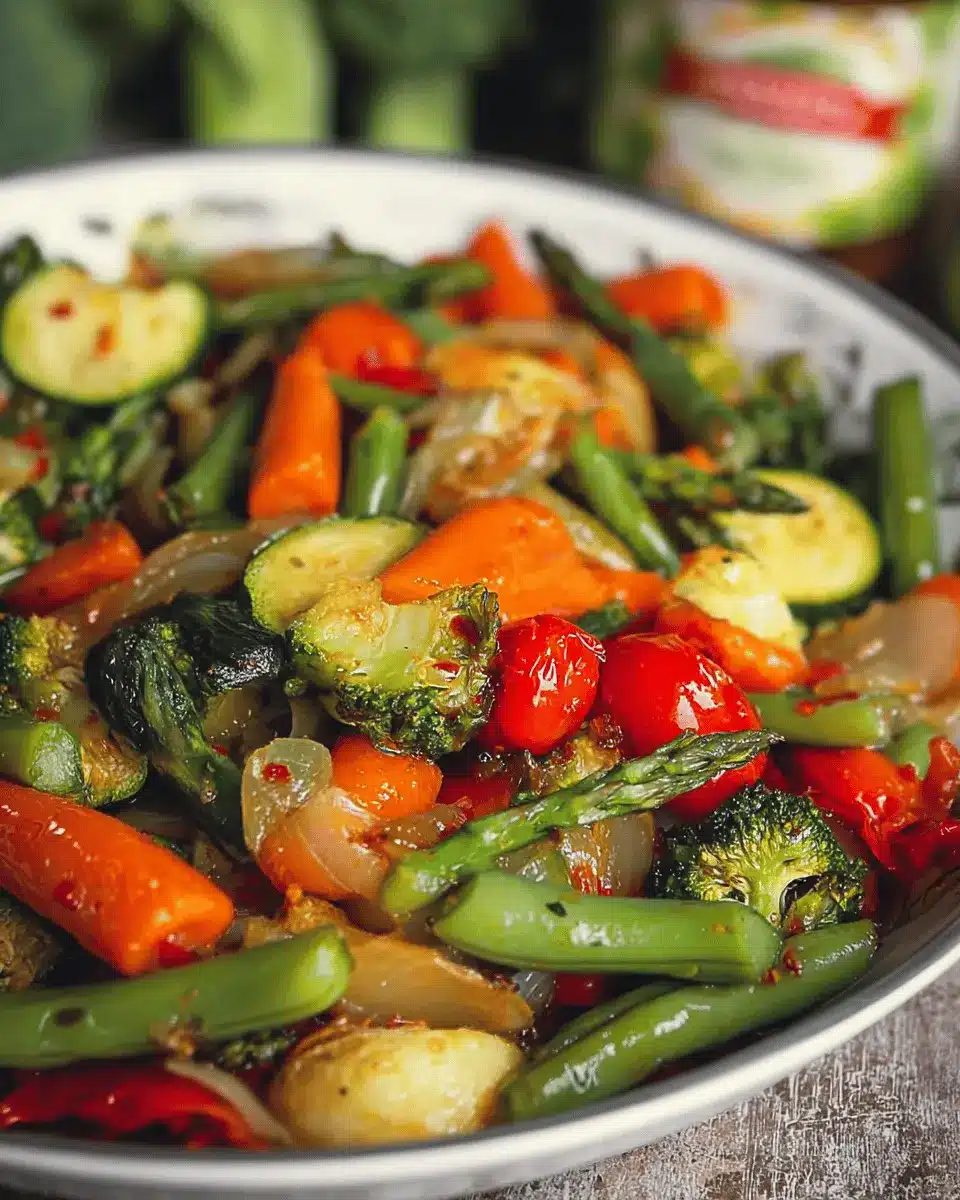
Ingredients for Sauteed Vegetables
Essential ingredients for a tasty sauté
Creating a delicious sauteed vegetables recipe starts with a few essential ingredients that bring fresh flavors to the table. Here’s what you’ll need:
- 2 tablespoons olive oil (or 3 tablespoons butter for richness)
- 1 cup carrots, thinly sliced
- 1-1½ cups broccoli florets
- 1-1½ cups zucchini or yellow squash, sliced and halved
- 1 cup red bell peppers, cut into bite-sized pieces
- 1 small onion, chopped
- ½ teaspoon dried Italian seasoning
- Sea salt and freshly ground black pepper, to taste
- ¼ teaspoon garlic powder (optional, but highly recommended!)
These ingredients not only pack a nutritious punch but also allow for vibrant colors and flavors that make any meal complete.
Optional add-ins for extra flavor
To elevate your dish from good to outstanding, consider adding a few optional ingredients. For example:
- A clove of fresh garlic, minced for a fragrant aroma
- A pinch of red pepper flakes for a touch of heat
- Chopped herbs like basil or parsley for freshness
These simple tweaks can enhance your sauteed veggies and impress your guests! For more tips on selecting veggies, check out this guide on fresh produce to discover what’s in season.
Happy sautéing!
Step-by-step Preparation of Sauteed Vegetables
Cooking up a delicious dish of sauteed vegetables can be a game-changer for meal prep. With the right technique, you can transform fresh veggies into a vibrant side dish that complements almost any main course. Let’s walk you through this simple yet effective recipe for sauteed vegetables, so you can impress your friends and family in no time.
Gather and prep your ingredients
First off, you’ll want to gather all your ingredients. Here’s what you need:
- 2 tablespoons olive oil (or 3 tablespoons butter)
- 1 cup thinly sliced carrots
- 1-1 ½ cups broccoli florets
- 1-1 ½ cups sliced zucchini or yellow squash
- 1 cup chopped red bell peppers
- 1 small onion, chopped
- ½ teaspoon of dried Italian seasoning
- Sea salt and fresh ground black pepper to taste
- Optional: ¼ teaspoon garlic powder
Before you start cooking, make sure everything is chopped and prepped. This not only makes the cooking process faster but also more enjoyable. As an added tip, invest in a good knife; it can save you a ton of prep time.
Heat the oil or butter
Once your veggies are ready, heat the olive oil in a large skillet over medium-high heat. If you’re using butter, allow it to melt completely before adding the onions. This helps release their natural sweetness and creates a fantastic base for your sauteed vegetables.
Sauté onions and seasonings
Add the chopped onions to the pan and stir them around for about 2-3 minutes until they’re translucent. Now, add your seasonings—a half teaspoon of dried Italian herbs and a sprinkle of garlic powder if you like. The aroma filling your kitchen at this point will be worth the wait!
For more on seasoning, you might find this article on flavor balancing helpful.
Add your vegetables
Now it’s time to incorporate all those beautiful vegetables. Start with the carrots, as they take a bit longer to soften, followed by broccoli, zucchini (or yellow squash), and red bell peppers. Stir everything well to coat in the oil and seasoning. From here, it's all about achieving that perfect crispy tenderness.
Cook until crisp-tender and serve
Cook the veggies for about 6-8 minutes, stirring occasionally. You’re looking for a vibrant color and a slight crunch—the perfect texture that says “I’m healthy and delicious!” Taste them as you go, seasoning with salt and pepper to your preference.
Once they reach that ideal state, you can finish with a bit more butter for richness. Serve your beautifully sautéed vegetables while they’re hot, and enjoy the chorus of flavors!
And there you have it—a straightforward sauteed vegetables recipe designed to elevate your meals effortlessly. Whether you pair these with grilled chicken or enjoy them as a standalone dish, they're sure to become a staple in your kitchen!
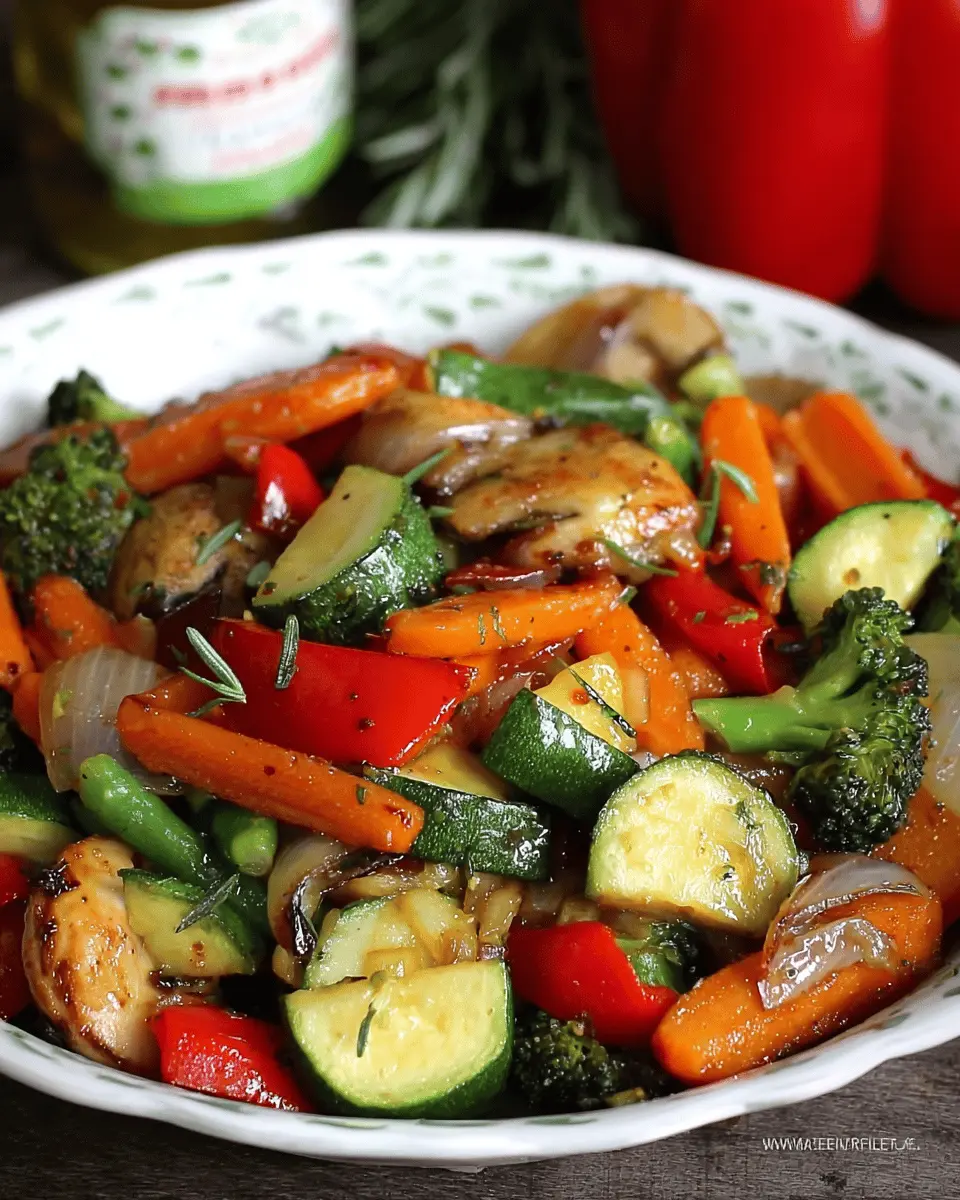
Variations on Sauteed Vegetables
Mediterranean Inspired Sauteed Veggies
Transform your sauteed vegetables recipe into a delightful Mediterranean dish by adding ingredients like cherry tomatoes, Kalamata olives, and fresh basil. Drizzle with olive oil and a squeeze of lemon juice for vibrant flavor. These additions not only enhance the taste but also offer antioxidants and healthy fats, making your meal both delicious and nourishing.
Asian-Style Sauteed Vegetables
For a fun twist, try an Asian-style sauté. Incorporate vegetables like bok choy, snap peas, and bell peppers, and consider flavoring with soy sauce or sesame oil. Top it off with sesame seeds and green onions for texture. This approach not only adds depth to your meal but also brings a healthy dose of vitamins. Looking for more ideas? Check out this guide on Asian cooking techniques.
These variations make it easy and fun to adapt your sauteed vegetables and keep your meals interesting!
Cooking Tips and Notes for Sauteed Vegetables
How to achieve the perfect tenderness
To master the art of sauteed vegetables, aim for that sweet spot between crisp-tender and too soft. Start by cutting your veggies into uniform sizes to ensure even cooking. Use high heat and don't overcrowd the pan; this allows moisture to escape and veggies to caramelize beautifully. Stirring occasionally gives that delightful slight char while preserving an appealing crunch. Don't forget, a splash of broth or water added halfway through can help steam and soften stubborn veggies!
Fresh vs. frozen veggies: What to choose?
When it comes to choosing between fresh and frozen, it often depends on convenience and seasonality. Fresh vegetables, when in season, burst with flavor and nutrients, making your sauteed vegetables recipe shine. However, frozen veggies can be just as nutritious since they are picked and frozen at peak ripeness—making them a handy option. Check out resources from places like USDA for the best frozen options and tips!
For your next meal, remember how just a simple adjustment can elevate your cooking and satisfy your taste buds!
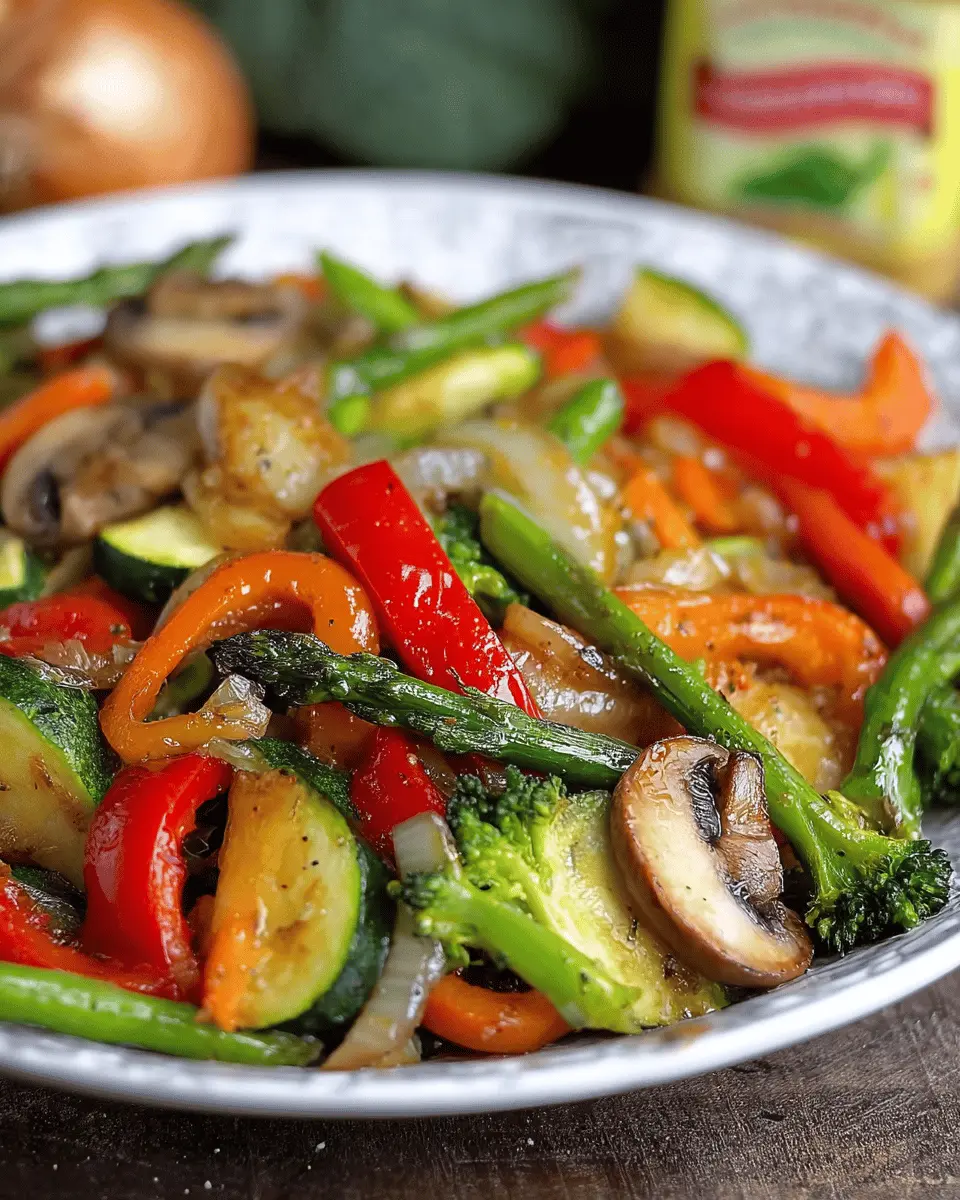
Serving Suggestions for Sauteed Vegetables
Pairing with Proteins
To elevate your sauteed vegetables recipe, consider pairing them with proteins for a complete meal. Think grilled chicken for a lean option or turkey bacon for a savory twist. Tofu is another excellent choice for a vegetarian option, adding texture and protein. If you're in the mood for something heartier, you could serve these vibrant veggies alongside beef or seafood. These combos not only enhance flavors but also create a nutritious balance.
Serving Over Grains or Pasta
Serving your sauteed vegetables over grains or pasta is a fantastic way to create a filling dish. Quinoa or brown rice works beautifully, adding a nutty flavor. For something more traditional, toss your veggies on top of whole grain pasta and enjoy a colorful medley. Need a gourmet touch? Drizzle with balsamic glaze or a sprinkle of Parmesan for added richness. This simple addition transforms a basic meal into something special, perfect for busy weeknights or entertaining friends.
Time Breakdown for Sauteed Vegetables
When you're craving a quick and healthy dish, this sauteed vegetables recipe is perfect!
Preparation time: 5 minutes
Getting started is super simple! Just gather your ingredients, chop your veggies, and get your cooking utensils ready. This part sets the stage for a delicious outcome!
Cooking time: 10 minutes
Once you heat up your pan and start sautéing, the magic happens! In just 10 minutes, you can achieve crisp and tender veggies that are bursting with flavor.
Total time: 15 minutes
From start to finish, you'll only need 15 minutes. It's a fantastic side dish that's not just quick but also packed with nutrients—the perfect addition to any meal! Whether you're making it for a casual dinner or a formal gathering, you can whip this up in no time.
For more tips on meal prep and cooking time management, check out resources like The Kitchn or Serious Eats. Happy cooking!
Nutritional Facts for Sauteed Vegetables
Calories and Main Nutrients
In this sauteed vegetables recipe, a serving contains approximately 87 calories, making it a light yet satisfying side dish. You'll benefit from essential nutrients like 2g protein, 4g fat, and a noteworthy 3g fiber, which helps in maintaining a healthy digestive system. The vibrant mix enhances your intake of vitamins A and C, key for immune support.
Dietary Considerations
This versatile dish is ideal for various dietary needs, being gluten-free, low-calorie, and suitable for vegetarians. Whether you're managing your weight or simply looking for nutrient-rich options, these sauteed veggies provide a healthy boost. For more info on finding suitable vegetables for your diet, check out the Harvard T.H. Chan School of Public Health for reliable guidance.
Adding these colorful vegetables to your meals not only elevates the flavor but also supports overall well-being. Isn’t it great to enjoy something that tastes good and is good for you?
FAQs about Sauteed Vegetables
Can I use other vegetables in this recipe?
Absolutely! One of the best things about this sauteed vegetables recipe is its flexibility. Feel free to experiment with vegetables you love or have on hand. Think bell peppers, green beans, asparagus, or even mushrooms. Just ensure you cut them into similar sizes for even cooking. If you're unsure, you can always refer to helpful guides on seasonal vegetables, like those found on SeasonalEating.org.
How do I store leftovers?
Leftover sauteed vegetables can be stored in an airtight container in the refrigerator for about 3-4 days. Just let them cool to room temperature before sealing. If you want to make them last longer, consider freezing them. Spread the cooled veggies on a baking sheet, freeze until solid, then transfer them to a freezer-safe bag. They can last up to 3 months!
Are sauteed vegetables good for meal prep?
Definitely! This recipe is perfect for meal prep. Not only is it quick to make, but it also adds a colorful, nutritious element to any meal. Pair your sauteed veggies with grains, proteins, or even use them to top salads. Plus, reheating them is a breeze, maintaining their delicious flavor and vibrant colors. A true win-win!
Conclusion on Sauteed Vegetables
The joy of enjoying homemade sauteed vegetables
Creating a homemade sauteed vegetables recipe is not just about eating healthily—it's a celebration of flavor and vibrancy on your plate. With a sprinkle of herbs and a dash of olive oil, you'll find joy in every bite. Explore your creativity with vegetables, and enjoy a nutritious side that's quick and satisfying!
Want more vegetable inspiration? Check out this article on the benefits of eating seasonal produce.
Sauteed Vegetables Recipe
Equipment
- Skillet
Ingredients
Vegetables
- 2 tablespoon olive oil divided (or 3 tbs butter)
- 1 cup carrots thinly sliced
- 1 - 1.5 cup broccoli florets
- 1 - 1.5 cup zucchini or yellow squash sliced and halved
- 1 cup red bell peppers cut into bite sized pieces
- 1 small onion chopped
- 0.5 teaspoon dried Italian seasoning
- Sea Salt to taste
- Fresh ground black pepper to taste
- 0.25 teaspoon garlic powder *optional
Instructions
Cooking Instructions
- Add olive oil or melt 2 tablespoons butter in large skillet over medium-high heat.
- Sauté vegetables, onion and Italian seasoning (and garlic powder if using), stirring occasionally, until vegetables are crisp and tender, about 8 minutes.
- Top with remaining 1 tablespoon of butter (or spread).


Leave a Reply